Editor's Note: Against the backdrop of rising inflation expectations and a weakening US dollar, "allocating to gold" is once again becoming a mainstream consensus. Whether in media commentary or personal investment advice, gold is repeatedly emphasized as an effective tool to combat uncertainty.
However, the problem lies in this: when "buying gold" becomes the consensus, what truly determines the outcome is no longer just the asset itself, but rather what kind of gold you're buying and who you're buying it from.
This article summarizes the investigation content from Tucker Carlson's recent show "The Great Gold Scam." Mechanistically, the core of such scams is not complex:
The first step is to change the product form. The sales companies do not sell standard gold bars but instead introduce "exclusive edition" commemorative coins, adding a significant markup to the price through concepts like "limited edition" and "collectible value," with premiums as high as 90% or even 130%.
The second step is to control pricing and exit mechanisms. These coins are controlled in circulation and pricing by the sales companies. Investors pay a high premium when buying in, but during the selling process, they can only recover based on a price close to the melt value of gold, thus completely locking in the price difference.
The third step is to leverage trust for distribution. Companies collaborate with conservative media personalities and influencers to convert audiences into customers. The audience makes investment decisions based on long-established trust, while the media side earns significant profits through advertising, revenue sharing, etc. — some companies even pay nearly $20 million annually for channel placement.
Victims' experiences also follow a similar path: some, out of hedging needs, transfer their retirement accounts to gold; some make judgments based on "show recommendations" or "trusted referrals"; and some, influenced by historical experiences, believe in gold's value in extreme environments. However, once entering this system, they all face the same outcome — buying at a high premium, selling back at a low price, and irreversible asset losses.
From a regulatory perspective, this issue has existed for a long time and is challenging to eradicate. Despite lawsuits by entities such as the SEC and CFTC against related companies, due to the low barrier to entry in the industry and high personnel turnover, when a company collapses, the original team often rapidly restructures and operates under a new shell, creating a "whack-a-mole" style cycle.
A noteworthy judgment proposed at the end of the show is this: gold itself is not the problem; the issue lies in how it is sold. When a standardized, publicly priced asset is packaged into a high-profit distribution system, the relationship between its price and value is systematically distorted.
The following is the original content (reorganized for easier reading):
When Gold Became Consensus, a Business of "Harvesting Trust" Began Operating
Tucker Carlson (Host):
In 2025, the price of gold saw an explosive surge. In just one year, the price of an ounce of gold rose from $2700 to $4300, a 62% increase in 12 months. Why did this happen? There are many reasons, but the most important factor is likely the weakening of the US dollar. And for years, some heavyweights in conservative media have been predicting this. They knew it would happen.
For viewers, buying gold may seem like a good deal, an obvious choice, but the reality is not so. We spent several months investigating the so-called "gold IRA industry system" and its relationship with conservative media, and what we found was shocking.
In exchange for huge returns, some of the most well-known conservative opinion leaders have been consistently directing their audience to those who use their gold companies. In some cases, these companies are even blatant scams, with extremely unreasonable terms and astonishing profit margins.
This system mainly targets the elderly, but the marketing tactics of these companies are very effective, attracting people from different backgrounds and causing losses of millions of dollars. We interviewed victims and industry insiders. This is a huge gold scam.
Dale Whitaker: Deconstructing the Gold IRA Scam Mechanism from an Insider's Perspective
High Premium "Commemorative Coins"
My name is Dale Whitaker, I am an accountant, and also the author and whistleblower of "Gold Graft." I worked at Augusta Precious Metals for about three and a half to four years. Initially, I was not aware of the issue, but later, a client wanted to sell back 5000 coins. At the time, we would tell the client that our markup was 29%, meaning the client could sell back to us in the future based on the purchase price minus the markup, combined with market changes.
However, the reality is quite different because the company has full control over these coins and can manipulate the price at any time. Later, the CEO called me to increase the spread, thereby reducing the money we paid to customers when buying back. That moment was when I realized something was seriously wrong.
In fact, over the past two decades, Americans (especially conservative groups), urged by the media personalities they trust, have invested hundreds of millions of dollars in commemorative coins to hedge against market fluctuations.
The way this scheme works is: dealers will sign exclusive distribution agreements with some renowned mints, such as the Royal Canadian Mint, the Royal Mint, or the Perth Mint.
They will request these mints to custom mint a certain coin for them and obtain exclusive selling rights in the U.S. Once the mint agrees, the dealers pay the minting fee and premium, and then receive the exclusive distribution rights for that coin in the U.S.
In theory, the value of these coins comes from the gold or silver they contain. Therefore, salespeople can persuade people to roll over their retirement savings into a gold IRA.
But unlike regular gold bars, the coins in these IRA systems are exclusively controlled by the sales company. The company then significantly marks up these coins and tells customers that this price is fair because they are "unique collectibles."
Technically, these coins still fall into the precious metal bar category, so they can be used in retirement accounts.
Many people ask, why are the prices of these coins significantly inflated? Why are they so much more expensive than regular coins? The answer is simple: limited edition releases, and only our company can sell them.
On the surface, this may seem like a "willing buyer, willing seller" transaction, but the reality is far from it. Many people, based on trust in these influencers, believe that the recommended company is reliable. When they contact the company, the salesperson presents themselves as a "trustee," telling the client, "This is a better asset for you," and even emphasizing their 20, 30, 40 years of experience. As an ordinary investor, you easily get the idea: why shouldn't I trust them? This is similar to following a stockbroker's advice.
How Trust Gets Monetized
Tucker Carlson
The reason why this business model is effective is that it is built on the trust accumulated over the years between conservative media and their audience, and it leverages that trust to lead consumers into highly persuasive sales pitches.
These transaction terms are often absurd, with prices far above the publicly quoted spot price (which you can even check in real-time on your phone). They also include numerous hidden fees and commissions, and many companies' business practices have resulted in lawsuits.
One of the largest cases was against a company named Red Rock Secured, involving an amount as high as $76 million. The company's principals, Shane Johnson Kelly and Jeffrey Ward, were former Augusta salesmen who left because they felt their earnings were insufficient.
According to federal regulators, Red Rock employed scare tactics to convince clients to transfer funds, including liquidating their retirement accounts, such as their deferred tax retirement account funds, to purchase precious metals. The U.S. Securities and Exchange Commission accused the company and its executives of fraud, stating that the markup on the coins sold by them reached up to 130%. Through this scheme, the defendants allegedly defrauded over $50 million from at least 700 investors.
Dale Whitaker
In recent years, such cases have proliferated. The enforcement efforts of the CFTC and SEC have indeed intensified, and there have been numerous private lawsuits from clients who realized they were deceived. However, the issue lies in the fact that regulatory resources are limited and can only tackle the issue like a game of "whack-a-mole": sue one company, the company collapses, but the salesmen quickly establish a new company to continue the same practices.
Tucker Carlson
So far, that has been the case. These companies are very easy to set up. All you need to do is partner with a mint, advertise on conservative talk radio and Fox News, and bring in a group of aggressive salesmen.
In 2011, prosecutors brought 19 criminal charges against Goldline International for selling overpriced gold coins, with its endorsers including Fred Thompson, Dennis Miller, Mark Levine, Lars Larson, Michael Smerconish, Mike Huckabee, and Glenn Beck.
Tucker Carlson
A congressional investigation found that Goldline's average markup over the melt value of its coins was over 90%, meaning they were priced 90% higher than the international market price. While the company never admitted to any wrongdoing, it eventually settled for $4.5 million. Following legal scrutiny, Goldline employees then moved to Merit Financial, which also sold coins over the phone and advertised on Fox News.
When one company is brought down by regulators, another quickly pops up, and the cycle of abuse starts again.
And indeed it did. Three years later, Merit was accused of participating in a “nationwide scheme of aggressive fraud,” bilking consumers out of tens of millions of dollars. After Merit collapsed, many salespeople moved on to Augusta Precious Metals, the same company Whitaker used to work for. Augusta, when asked for comment, called Whitaker's allegations "false," while acknowledging that the industry is “filled with bad actors and con artists.” The company stated that Whitaker was fired for incompetence and hadn’t been associated with the company for nearly a decade. Notably, Augusta does not publicly list its coin prices on its website.
From Hedge to Liquidate: How Victims Are Lured In
Dale Whitaker
Augusta Precious Metals targets a demographic of conservative Christians over 50. This is because these individuals often subscribe to a kind of "apocalyptic" narrative — believing that the current fiat system will collapse, reverting back to a barter system where gold and silver will be the medium of exchange. The company preys on this belief, targeting this specific demographic and ultimately defrauding them of their life savings. It’s almost like a form of “open plunder” in my view.
Rob Leinbarger: Decision to "Invest with the Show," Resulting in a $200k Loss
I'm Rob Leinbarger, a self-professed staunch conservative. I graduated in 1984 and joined the Navy as a helicopter pilot. After retiring, I worked at Motorola, leading R&D engineering projects. Over time, I amassed some savings, building my own "retirement nest egg." When the pandemic hit, I grew concerned about market risks and sought a "safe haven asset," leading me to fall into this scam.
I rolled over my 401k into a gold investment through Birch Gold. I had been watching the War Room program and trusted the host, so I made this decision.
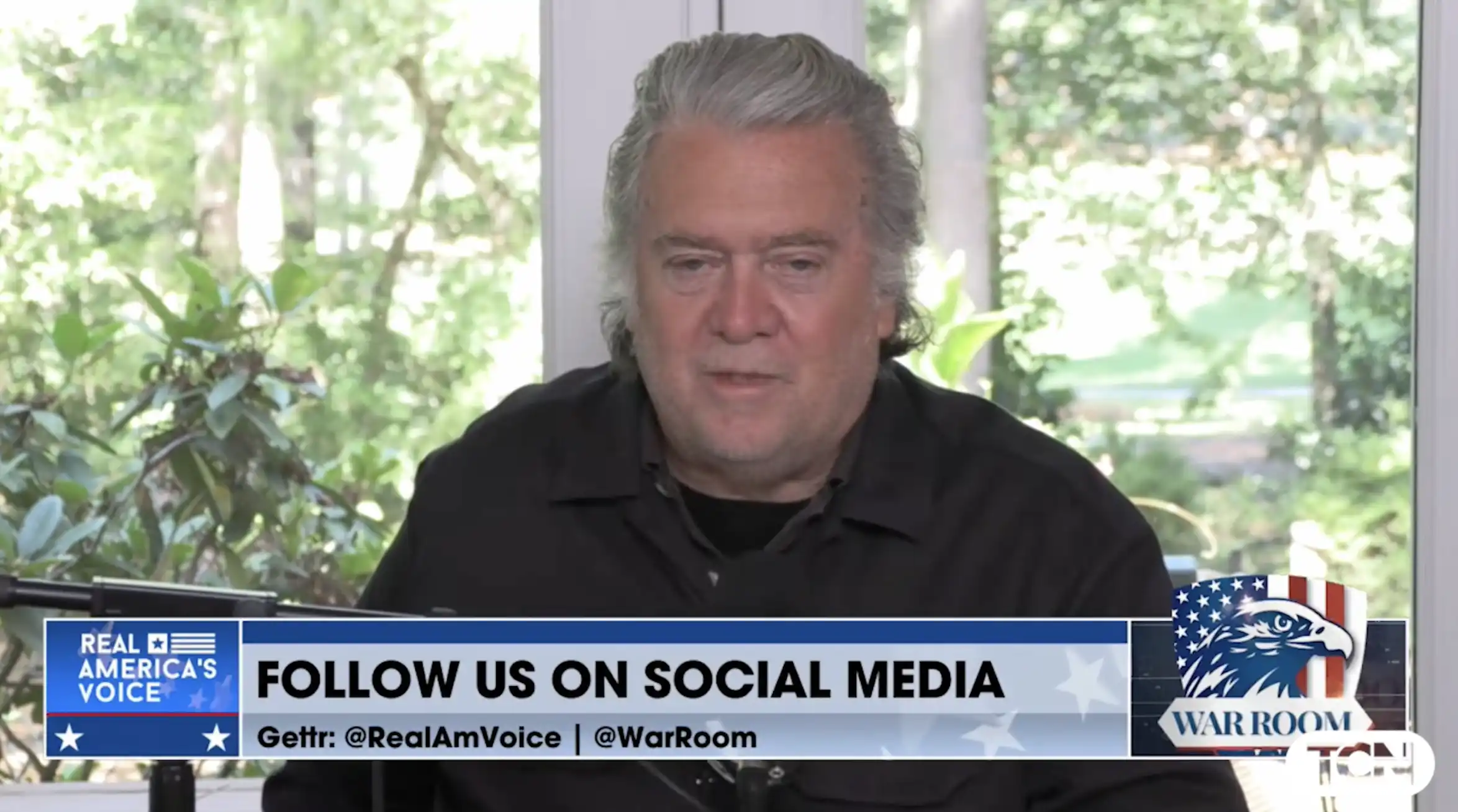
The salesperson told me these were "premium commemorative coins." I did some research myself and found that indeed some high-purity gold coin transactions can have higher prices than the spot price, so I believed their claims of "limited issuance being more valuable" and "long-term outperforming of the gold spot price." However, it turned out to be completely false — I ended up paying over a $1000 premium for this.
Later, when I tried to sell some of the assets, they offered me the melt price. The account manager also told me that there was currently an "inversion" in the market, where even though the price of gold was rising, due to many retirees selling off, these commemorative coins themselves had lost their value, and the previous premium was basically a "sunk cost."
It wasn't until I truly understood their pricing mechanism that I realized almost everything they had told me initially was misleading. I made this decision because I trusted conservative media, but they had been promoting these companies all along. I fell for their trap, and now all I want to tell others is: this is not just an "do your own research" issue, but a do not trust these people issue.
Host and Industry Expert Comments
Tucker Carlson
Leinbarger estimates that the decision to purchase commemorative coins cost him over $200,000 in losses.
In fact, for thousands of years, humans have stored value through trading precious metals (especially gold) during times of economic uncertainty. The earliest gold coins appeared in Turkey around 600 BC. Whether it's Egyptian hieroglyphics, the Code of Hammurabi, the Hebrew Bible, or the Homeric epics, gold has been referenced. In the story of the birth of Christ, gold was also one of the gifts offered by the Magi.
In 1792, George Washington signed a bill establishing the U.S. Mint, authorizing the government to mint gold, silver, and copper coins. 70 years later, Lincoln signed the Legal Tender Act, introducing paper money, marking America's initial entry into fiat currency. After severe inflation during wars and post-war deflation, President McKinley established the gold standard, pegging the dollar to gold at $20.67 per ounce, with the U.S. Treasury required to exchange paper money for gold on demand. This system ended on April 5, 1933.
During the Great Depression, President Roosevelt quickly issued executive orders upon taking office, banning private ownership of gold and requiring the public to surrender gold at a fixed price to the Federal Reserve system. This was done to expand the money supply, as the gold standard was seen as a hindrance. As public confidence in the banking system dwindled, people rushed to withdraw their deposits in the form of gold. Americans who refused to turn in their gold could face fines of up to $10,000 (equivalent to over $250,000 today) and up to 10 years in prison.
The government even used the Secret Service for enforcement, with some high-profile cases making headlines. For example, New York lawyer Frederick Barber Campbell attempted to withdraw 27 gold bars from a bank (worth approximately $3 million today), leading to his prosecution. Though not convicted on technical grounds, his gold was still confiscated. In another instance, San Francisco jeweler Gus Farber was arrested for illegally selling gold coins.
In 1971, Nixon permanently ended the gold standard, lifting restrictions on gold ownership, but public demand for gold persisted. From 1925 to 2025, the dollar depreciated by about 95%, while the price of gold surged from $20 per ounce to over $4,000. In 1974, President Ford signed a law allowing Americans to once again own gold legally.
However, this industry was almost unregulated. It was like trying to stop a gunshot wound with a Band-Aid—you couldn't stop new companies from popping up.
The Washington Post
reported that over the past decade, more than 30 clients from 20 states have sued over a dozen gold IRA companies; federal regulators have sued four companies, with two suits coming in the past year alone. Allegations include systematically charging investors up to triple the value of the gold coins.
Dale Whitaker
As a conservative, saying "we need regulation" might sound a bit harsh, but it's the reality. The government has to step in because it's not just individuals who are affected—it's their livelihoods and lifelong savings. The current regulatory approach is like playing "whack-a-mole" and doesn't really solve the problem.
Andrea McAvoy: 34% Markup
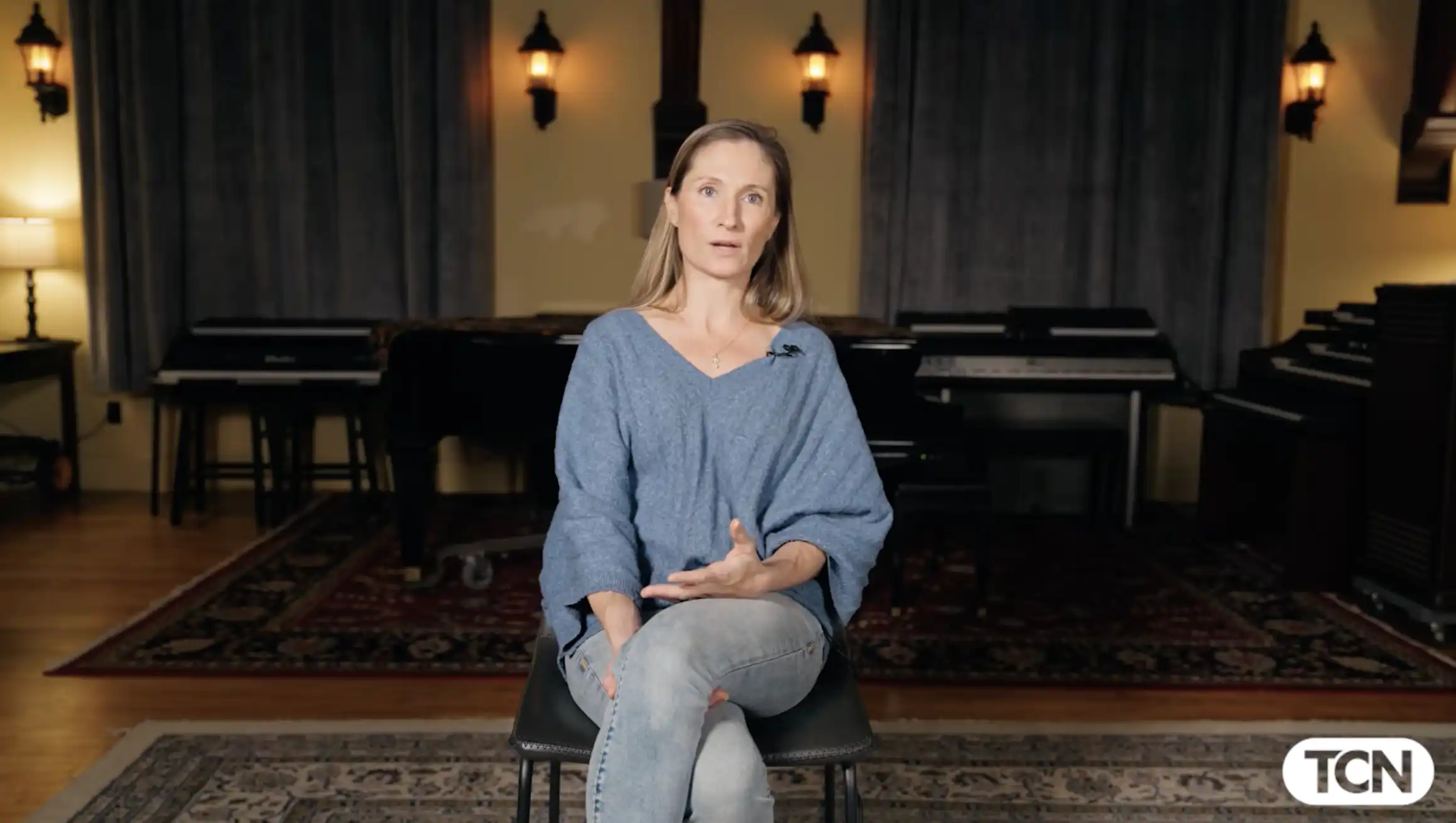
My name is Andrea McAvoy. I used to work in real estate, but now I primarily stay at home with my kids. I started investing in precious metals around 2015-2016. It's from an IRA account I set up before getting married, which basically was a 'dormant account.' At that time, I had a two-year-old, just had a baby, and was pregnant again. I learned about Lear Capital while listening to podcasts.
I'm actually quite willing to support the sponsors of the shows I usually listen to, or I'll try to do so. This is somewhat like a "soft recommendation." It's the same in the real estate industry, like that kind of "word-of-mouth recommendation." You would think, since these people trust them, then I can trust them too. So you'll think, instead of googling a company yourself, maybe it's better to try the company they are sponsoring. Because you would assume that they must have done some background checks. After all, they wouldn't want to damage their reputation because of an unreliable sponsor.
But I made a wrong assumption at the time. So I invested about $186,000 through an IRA to buy gold and silver. Those sales pitches... they really have a way with words.
I'm trying hard to recall how he talked to me at that time. The gist was probably that these coins might be the best choice for me because, in a market downturn, they usually act as a "buffer" and don't fall as much as other assets; and in a market upturn, they will accelerate in value — looking back now, that sounds too good to be true.
If you look at the contract, it will say something like this: the commission will be explained in the phone recording. This should have been a very clear warning sign, but I didn't realize it at the time.
I still remember that day vividly. I was on a recorded call, washing dishes, with a two-year-old child pulling at me. Water was running, the kid was tugging me, I was shushing him while trying to calm down and listen to the recording. When you are making a very large investment decision, your attention is just not where it should be. They said 34%. But I couldn't have heard 34%, I heard 4%. That seemed like a reasonable level for a large transaction.
It was in April 2024, and I was at the midpoint of my pregnancy. The market was very hot at that time. I logged into my Equity Trust account and found that the $186,000 had dropped to about $100,000, around $109,000. I was stunned, my heart sank, and I just felt at that moment, this couldn't be real.
I contacted Lear Capital to inquire why her assets didn't rise with the price of gold. They said everything was normal, so I started frantically calculating and reviewing. I found out that not only did they charge a 35% commission, but they also charged an additional premium or spread of about 25%. In other words, the actual value of my assets was only about $120,000. And if I had bought standard gold bars, my assets should have been around $213,000.
Initially, they tried to persuade me not to make this public. Later, I contacted attorneys general of multiple states, filed complaints, and lodged a complaint with the Better Business Bureau, exposing them on X.
This is very interesting. The salesperson I was communicating with at the time seemed to think they could shut me up with some money, like offering me $10,000 to see if I would give in. He called me every day, leaving constant voicemails. I barely answered his calls, only emailed him saying: Unless you give me my money back, do not contact me again.
They will use various tactics, such as telling you that you have no chance of winning, that you have agreed to the terms of the agreement, that you verbally accepted these commissions over the phone. But you must insist: I do not accept, I do not acknowledge. You must find ways to bypass these arguments—this is achievable, as I did.
Also, I want to say, "Do not trust anyone." You must do your own research. You must read contracts carefully. You must be clear about who you are paying for. This is crucial. You cannot simply trust that others have your best interests at heart. You cannot just listen to what a TV or online commentator says and think they are on your side. They are clearly serving their interests. They will make money from the decision you make through advertisements, partnerships, and other means.
Host and Industry Expert Comments
Tucker Carlson
If you dig around, you'll find that Lear has excellent online reviews and a high rating on the Better Business Bureau. But this is actually because, as one of the refund conditions, Lear asked me to leave a five-star review and indicate to the BBB that she was "satisfied" with the company's resolution.
As a conservative media consumer, I now ask: Are these people really looking out for me, or are they just in it for the money?
The answer is almost clear—it's money. In fact, when we created this channel, several gold companies approached us, with one even offering nearly $20 million annually for collaboration.
Initially, this sounded reasonable. We also hold gold. But the question is: How can a commodity priced in the open market with very low profit margins afford so much money for marketing? The answer now is clear—they are not selling gold; they are "harvesting" consumers.
Dale Whitaker
As a conservative and someone who has been raising issues with these people continuously for six to seven years, this really disappoints me. I see them promoting products for companies that I know are deceiving viewers. These people make millions annually, and even mid-sized accounts can make thousands of dollars monthly, which does not align with their audience size at all. They exploit the trust of the audience, redirecting people to these companies, helping these companies make big money, while the audience is losing their life savings. This is something I find very hard to accept.
Kristen: Single Mother Robbed of Life Savings
If you tie your name and reputation to a company, the audience naturally thinks: that should be fine. But the reality is different. Then, one day, when your audience is truly scammed, robbed, deceived, that built trust completely collapses.
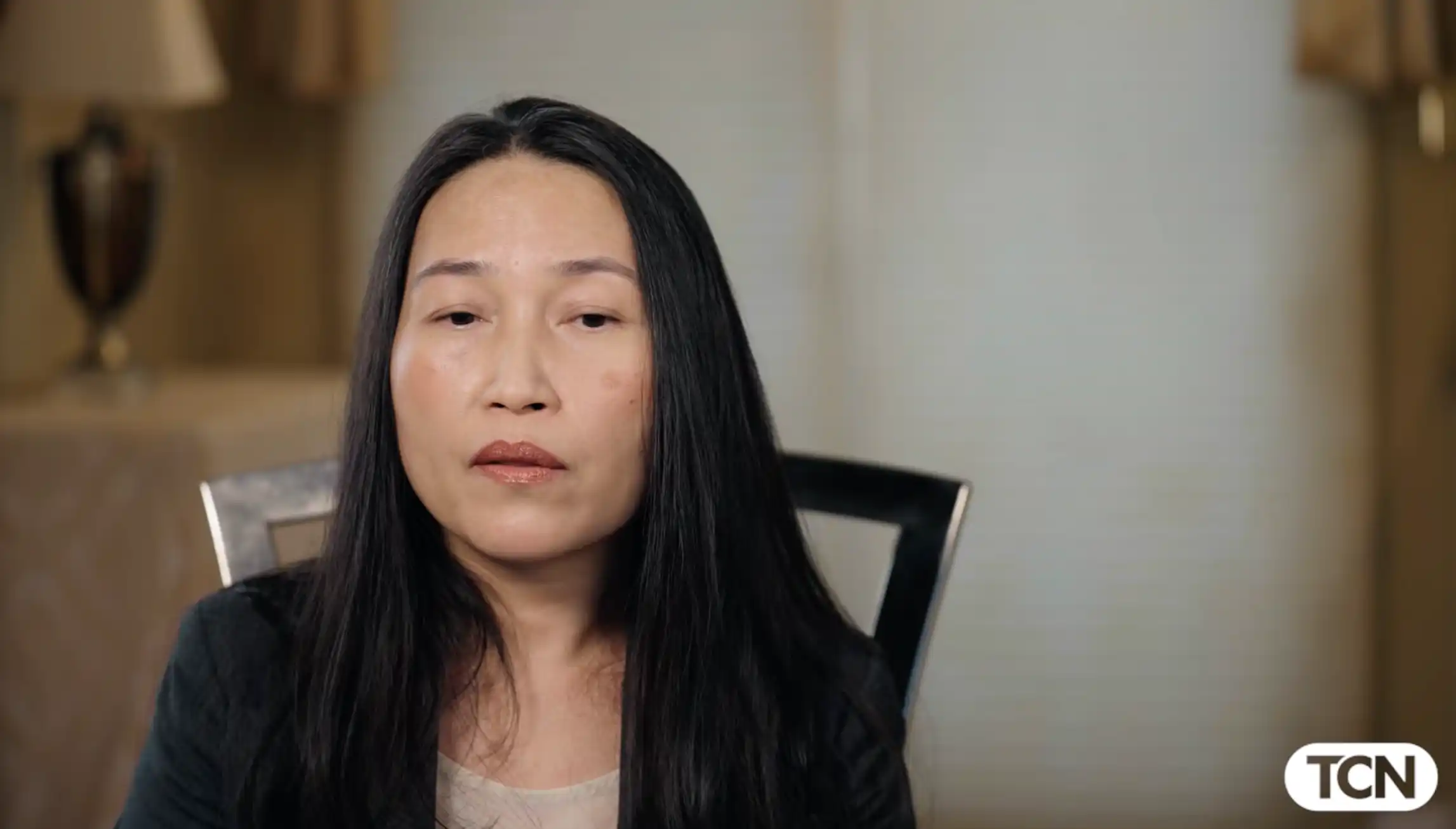
My name is Kristen, I am a single mother, trying my best to raise my children. I raise them under the Lord's teachings; I am a servant of Jesus Christ. My mother and I are both from Cambodia and lived through the Khmer Rouge era. We came to the United States to pursue the so-called "American Dream." My parents were once imprisoned in labor camps. After the Khmer Rouge came to power, they took away our house, business, and almost all our belongings.
During times of war and chaos, the true circulating "currency" was actually gold because the paper money was worthless. People carried gold on them, and my mother even carried a small scale to cut the gold into small pieces to exchange for goods, buy necessities, or pay for services.
And today, in an environment like the United States, as the dollar continues to depreciate, my mother and I discussed and thought maybe she should convert her and my father's meager savings into gold. At that time, many influencers were recommending different gold companies, and we finally chose Goldco.
At that time, we really thought this would be an investment that could help her survive and protect her in her old age. After all, we were both struggling to survive. She was struggling, and I was struggling too. I had no money, no influence, and no power. We just believed those who stood up to endorse it, believing that since they were willing to put their names on it, this company should at least be trustworthy.
But later, I realized that the price they sold to my mother was far above the market price, unreasonably high. That was the moment I realized she wasn't making an investment; she was being robbed. I finally understood that her life savings were almost taken away like this. And what I can't forgive myself for is that I led her into this.
Over the next few months, my mother and I contacted this company time and time again to cancel the order, but all we got was rejection. We kept calling, negotiating, leaving negative reviews, and after a month of back and forth, they finally agreed to buy back the gold at the original purchase price.
But when something like this happens to people like us, that feeling is really hard to describe. We are not wealthy, nor do we have resources; we are just ordinary people trying to survive. Yet, it is precisely people like us who are most easily taken advantage of.
This kind of thing can really crush a person. You feel trapped, with no way out. But I also want to say, those who do such things should seriously think one day: when a person reaches the end of their life and looks back, can they truly accept that they once deceived, plundered those who just wanted to survive. There will be a day of reckoning.
Host and Industry Commentator
Tucker Carlson
Two years ago, when we founded this channel, several gold companies quickly approached us, offering to pay a hefty fee to collaborate. One company even put forward a nearly $20 million annual offer, hoping we would promote their products.
Initially, this didn't seem surprising. We ourselves acknowledge the value of gold and have long held physical gold. But soon, an unavoidable question arose: gold is a commodity with a publicly set global market price, highly transparent in price, fundamentally belonging to a low-profit industry. So, why would such a company have such a huge marketing budget?
At first, this logic didn't make sense, but now, everything makes sense. They are not selling the "gold" commodity itself but rather a high-profit business based on information asymmetry and trust. Essentially, this is a form of consumer exploitation, especially targeting those who are more likely to trust the media and opinion leaders.
Ironically, those opinion leaders recommending gold were actually correct at the most basic level—gold indeed is a tool against inflation. If the interviewees had bought at the spot price and held, they would be wealthier today.
But the reality is, their judgment was distorted and manipulated.
