Abstract
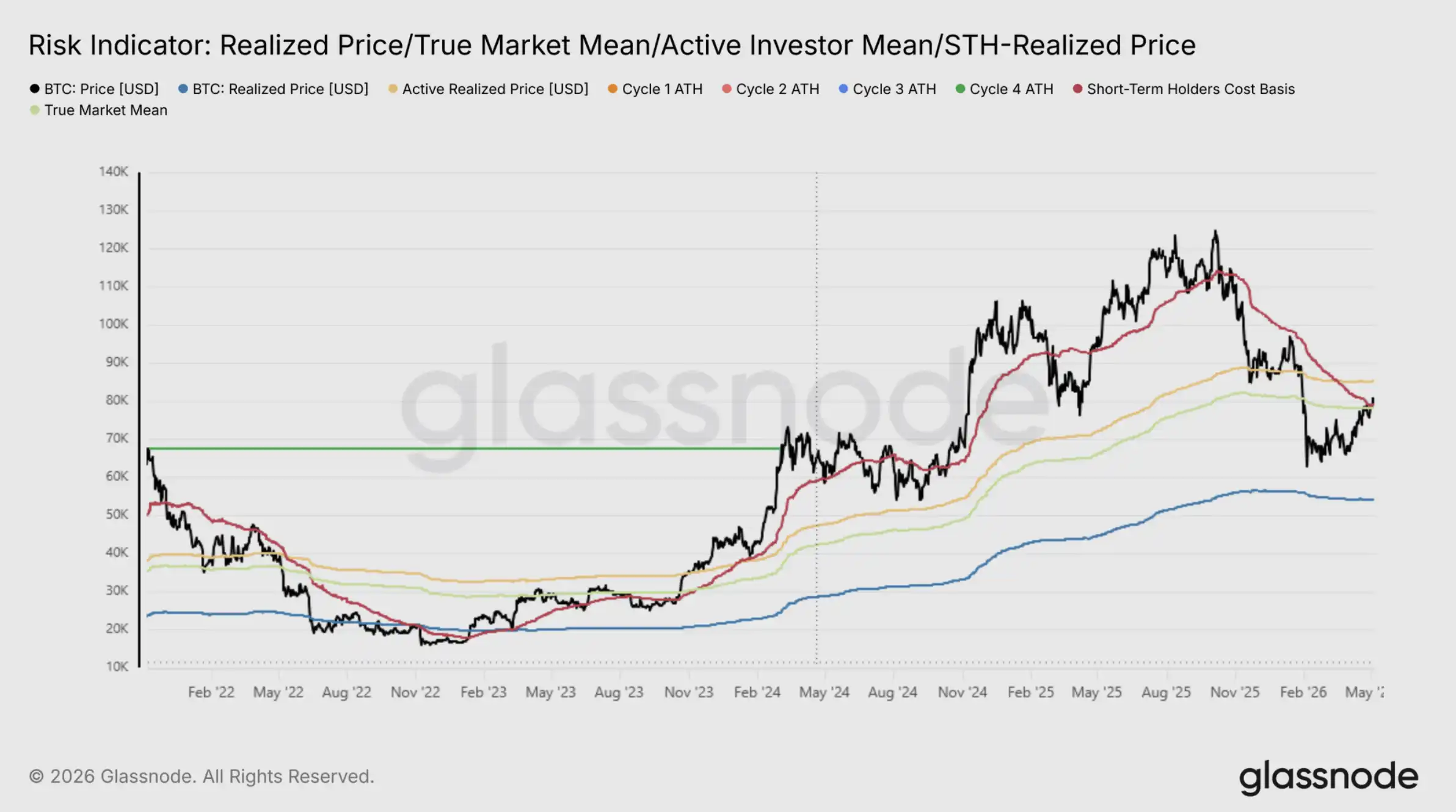
· Bitcoin has surpassed the $78,200 True Market Mean and the $79,100 short-term holder cost basis. If the price can hold above these levels, it implies that the previous deep value phase may be relatively short-lived, with $85,200 becoming the next key resistance level.
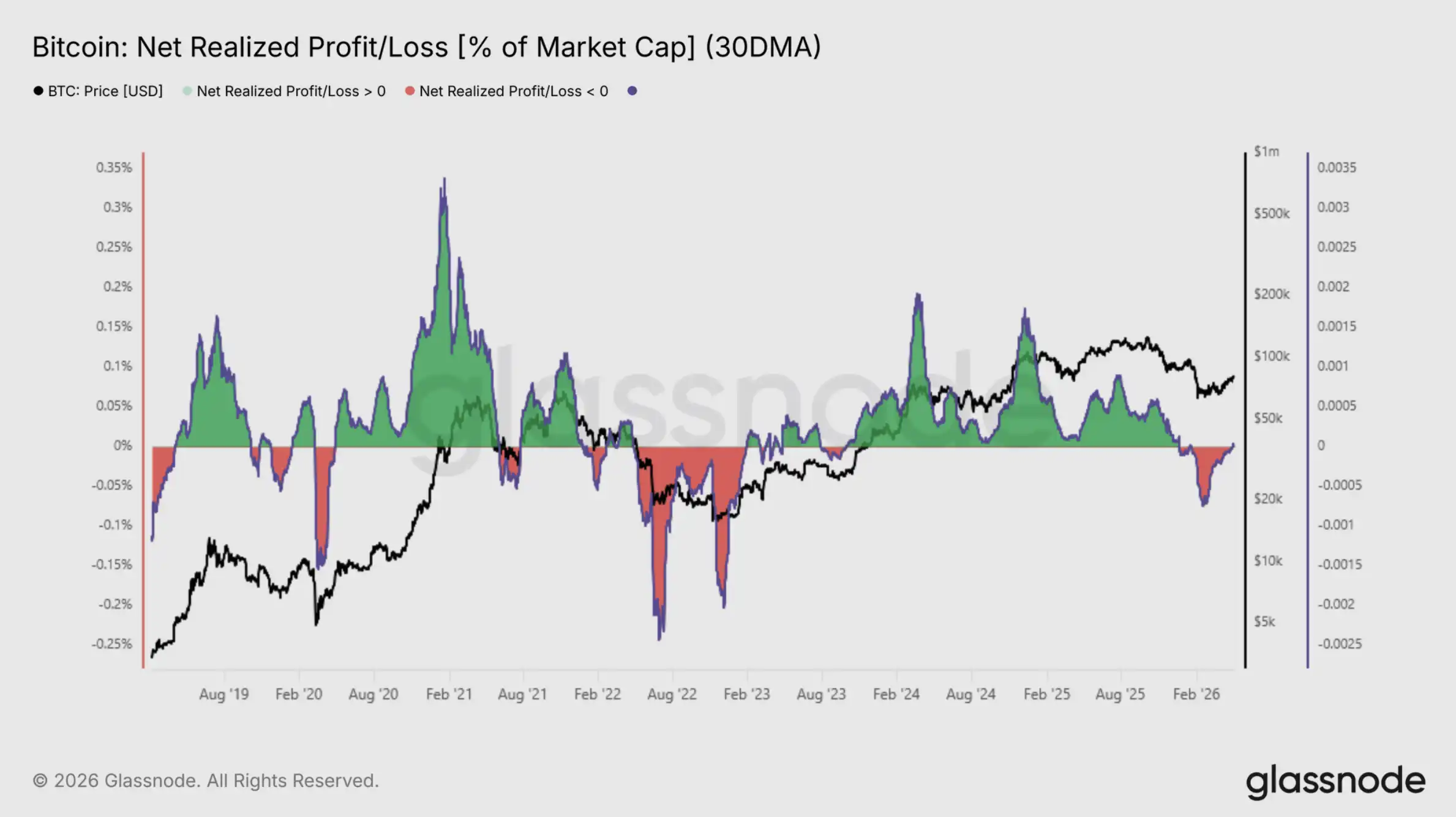
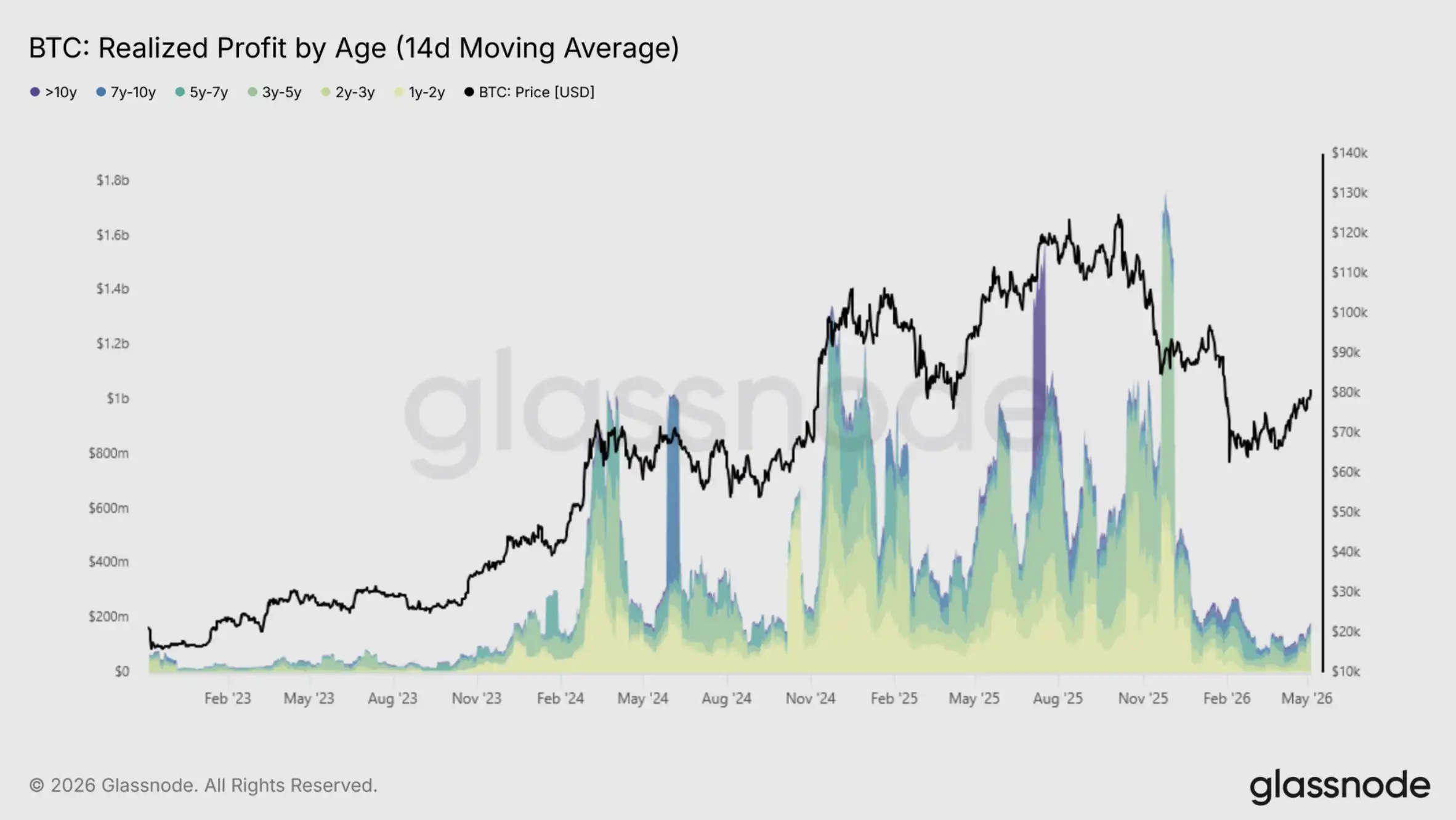
· The 30-day simple moving average of Net Realized Profit/Loss has turned positive, reaching 0.003% of market capitalization; meanwhile, the scale of profit realization by long-term holders has increased to $180 million per day, but still significantly lower than the daily levels of over $1 billion seen in the peak phase of this cycle.
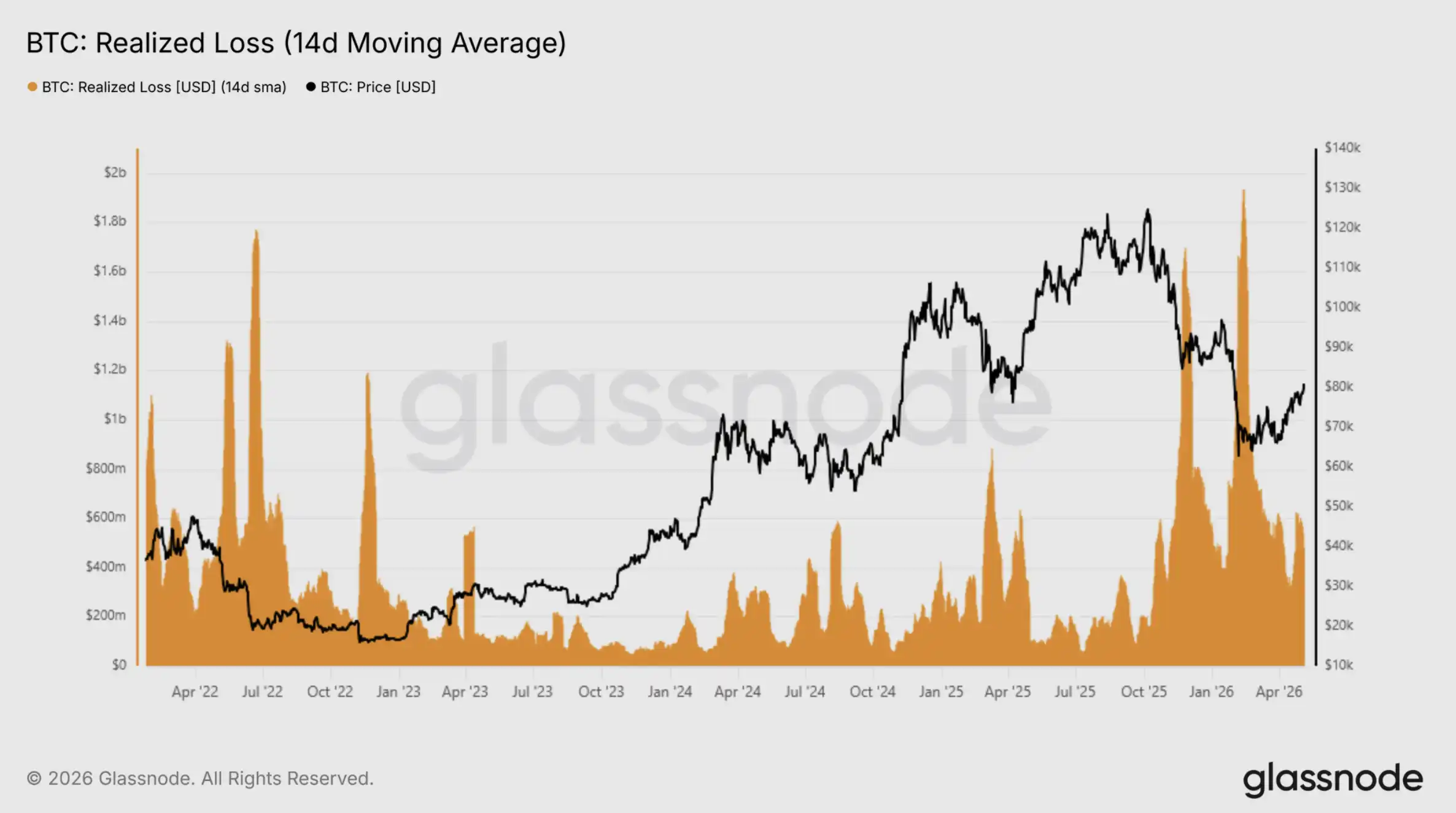
· Realized losses remain high, currently at $479 million per day, 140% higher than the baseline level of this cycle. To confirm the market's entry into a more sustained recovery phase, we need to see this metric continue to compress to below $200 million per day.
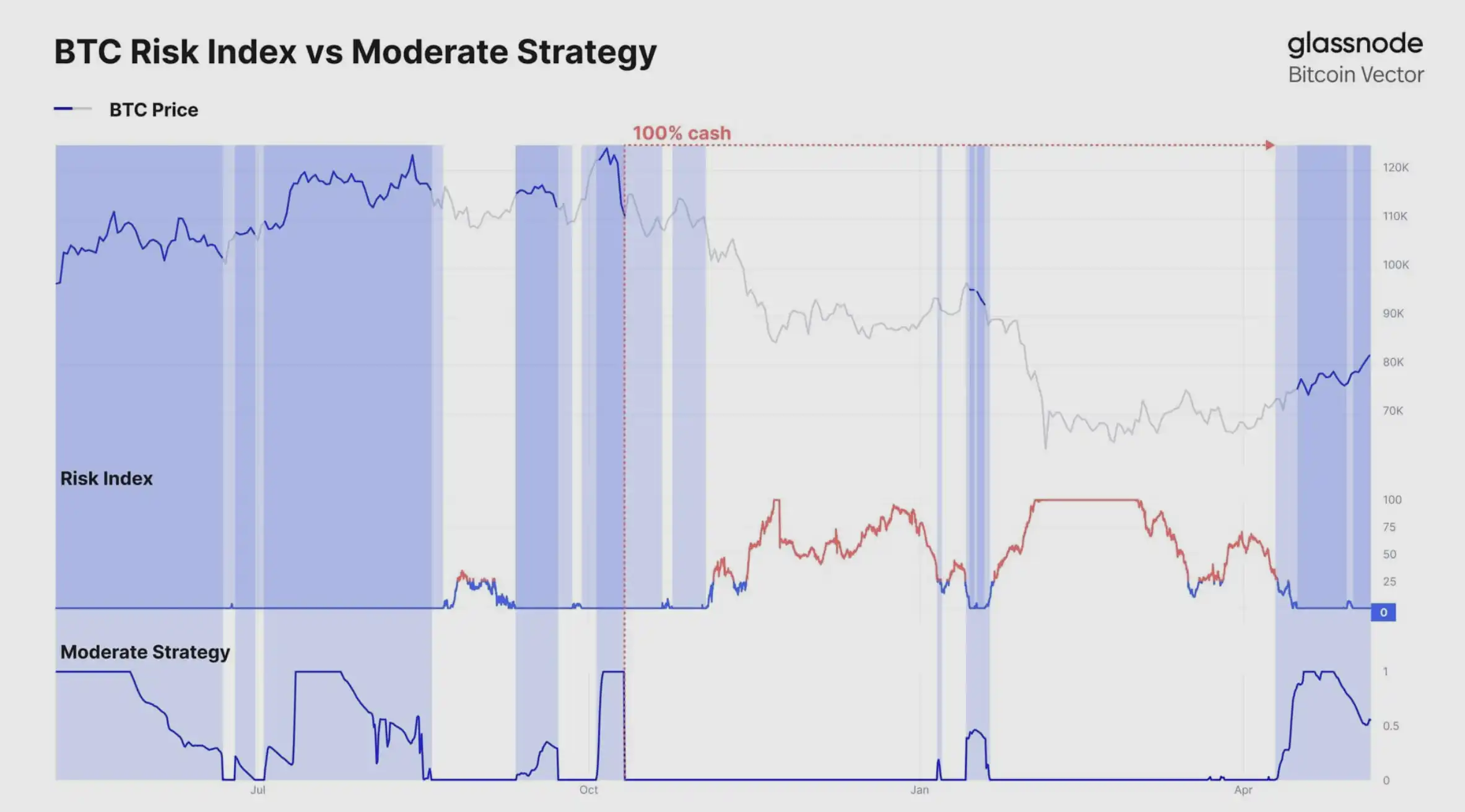
· After Bitcoin reclaimed around $76,000, Glassnode's Moderate Strategy has re-entered a state of allocation, focusing on capturing recent gains while still emphasizing downside protection.
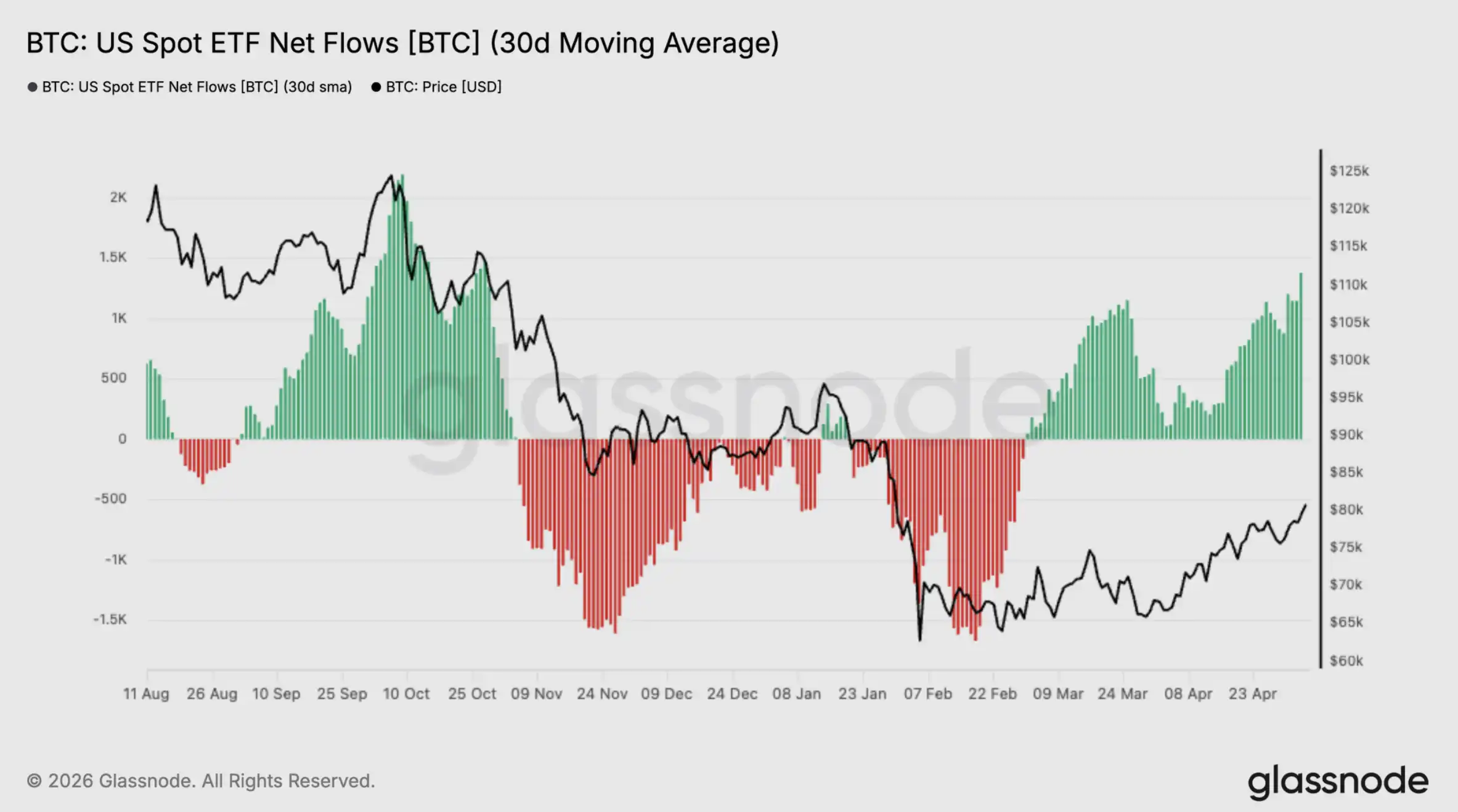
· The 30-day fund flow of the US Spot Bitcoin ETF has turned positive, indicating renewed institutional demand, providing support for Bitcoin to return to the $80,000 region.
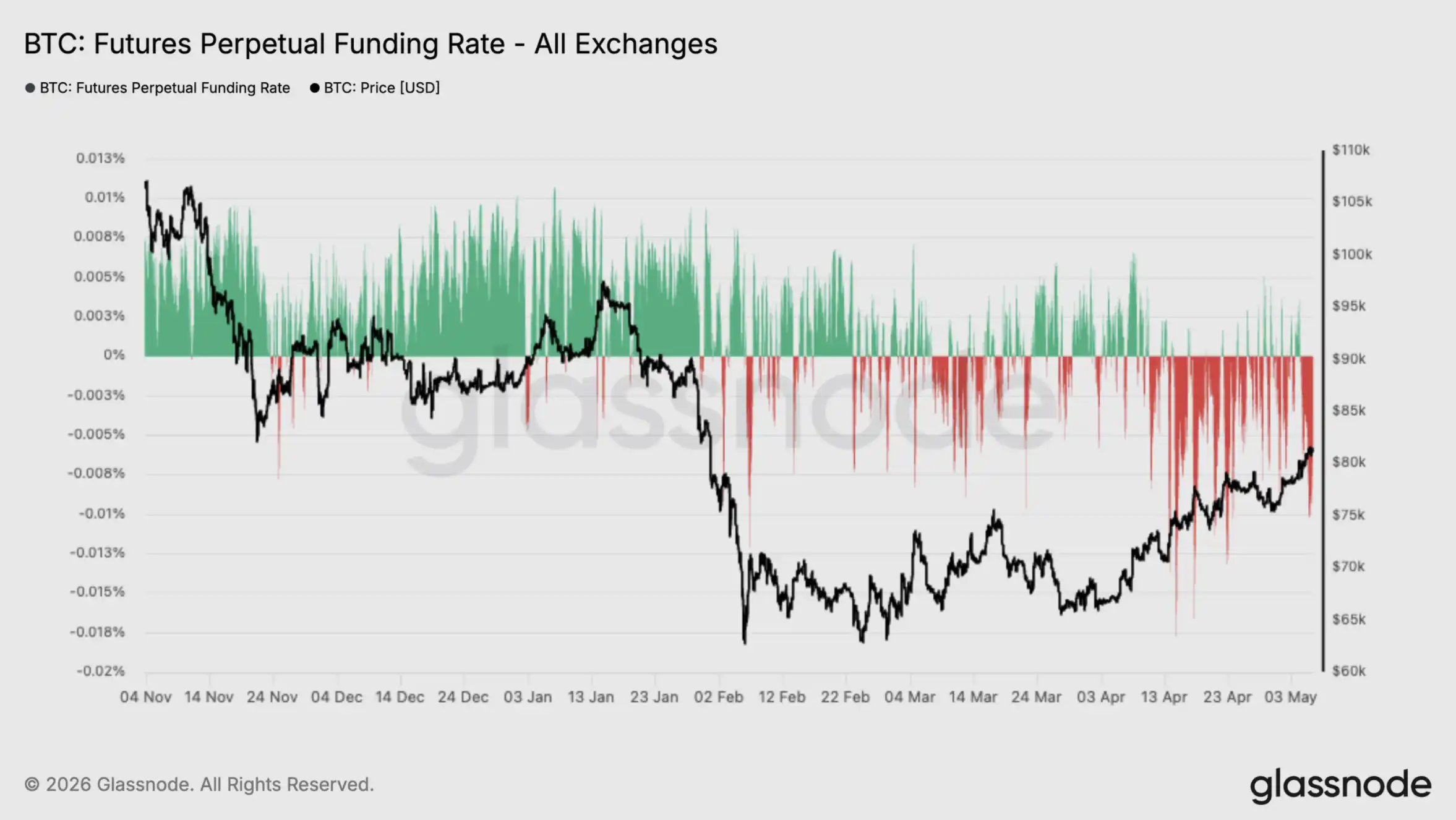
· Despite the price rebound, perpetual contract funding rates mostly remain negative, indicating that short positions are still present, suggesting that if the short pressure continues to unwind, the price may still have further upside potential.
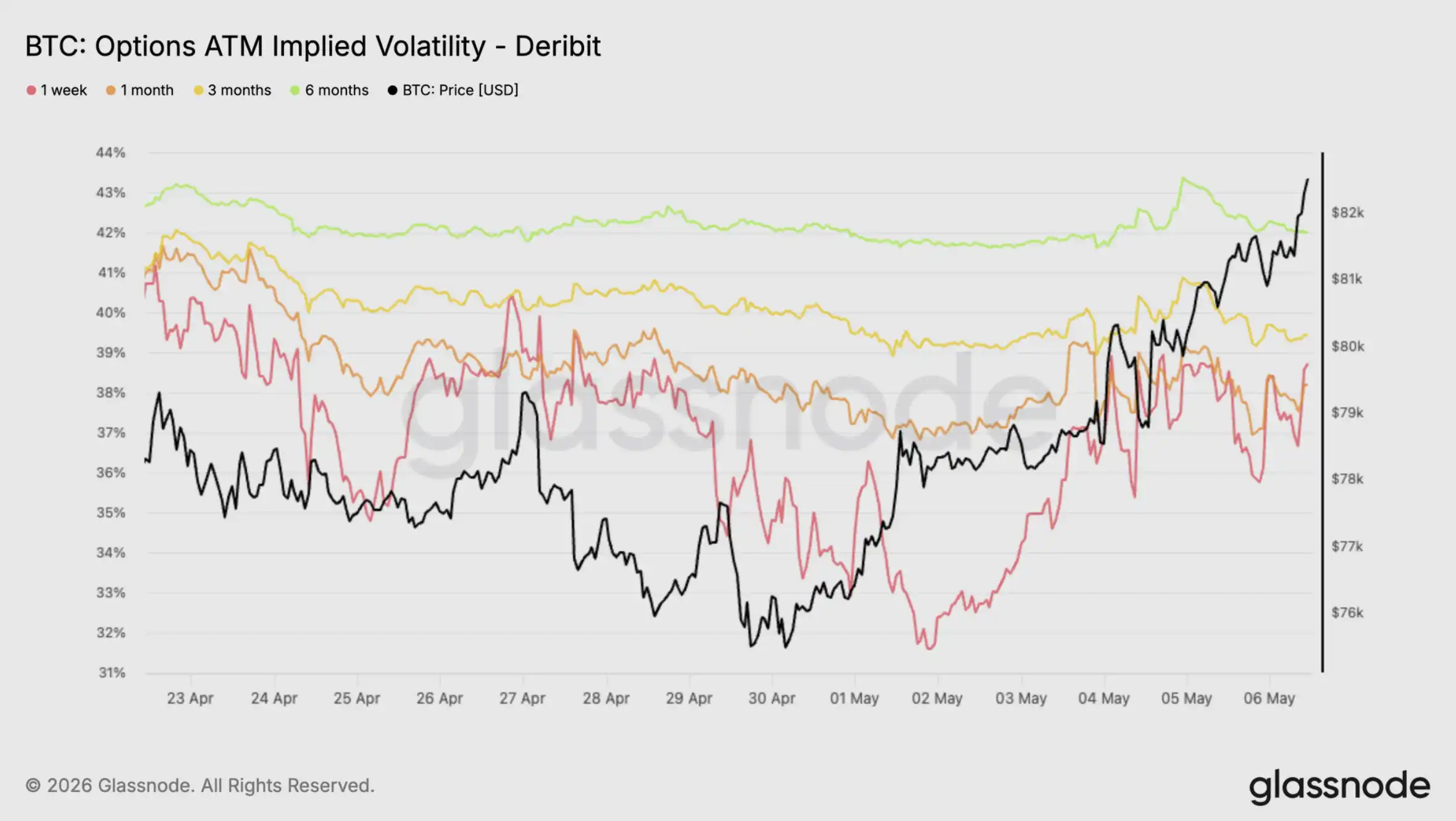
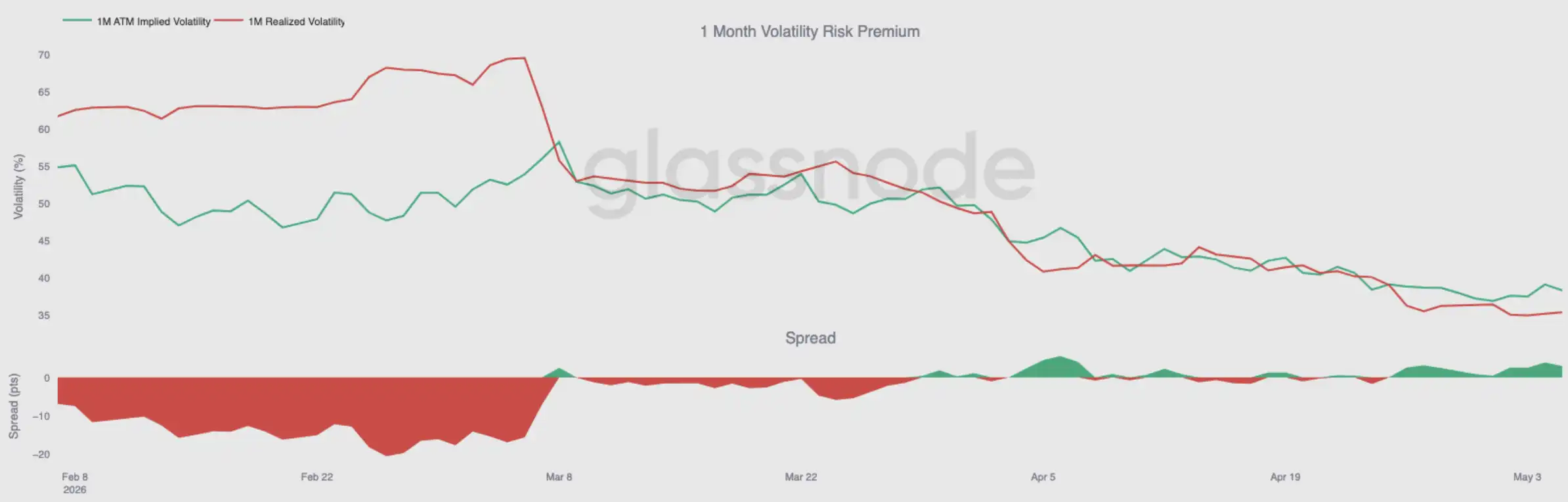
· Following the breakout, short-term implied volatility has rebounded, while actual volatility still lags behind, causing the volatility risk premium to turn positive again.
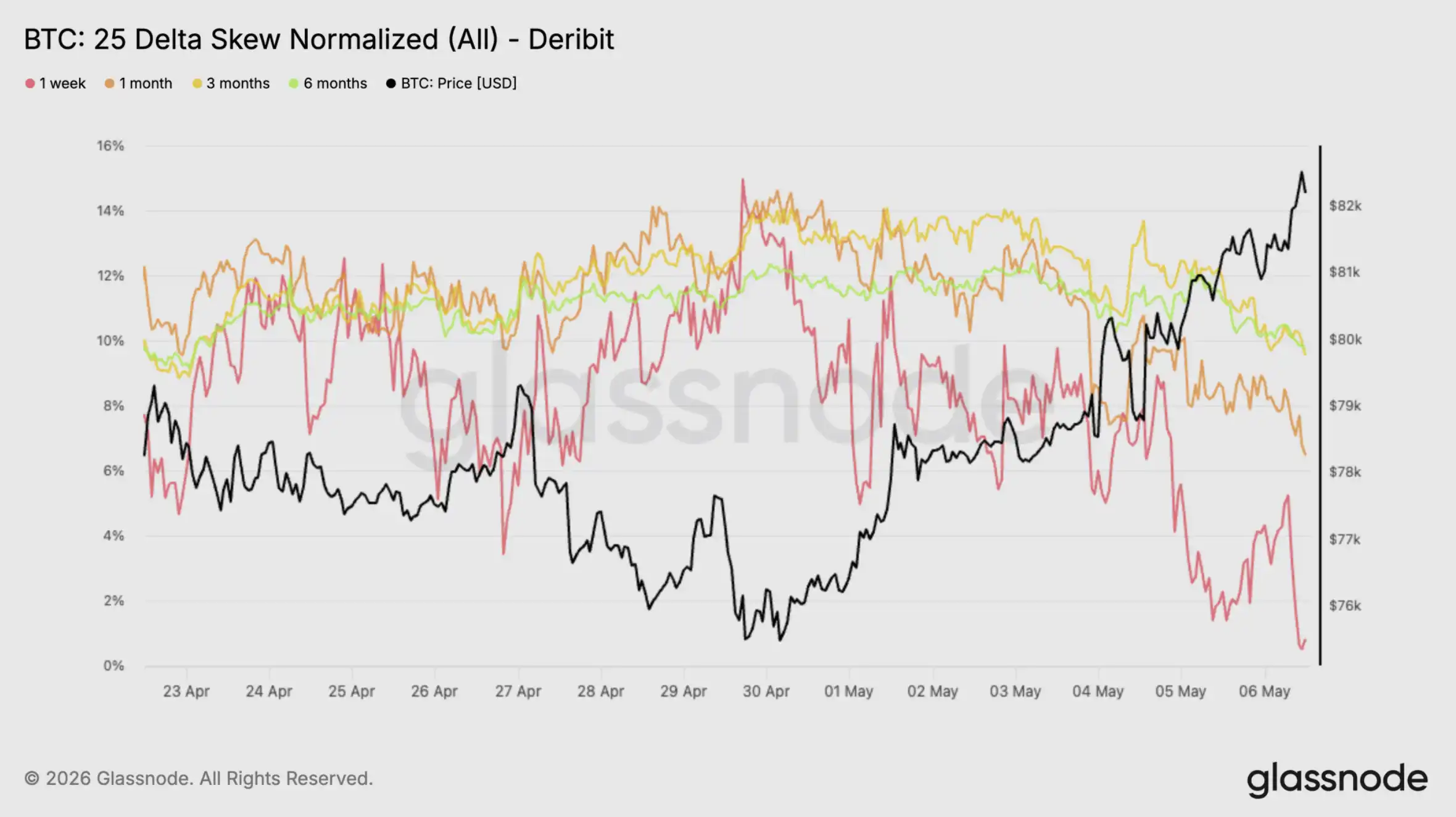
· Option skew is converging towards neutrality, indicating a reduced market demand for downside hedging, and the position structure is transitioning to a more balanced state.
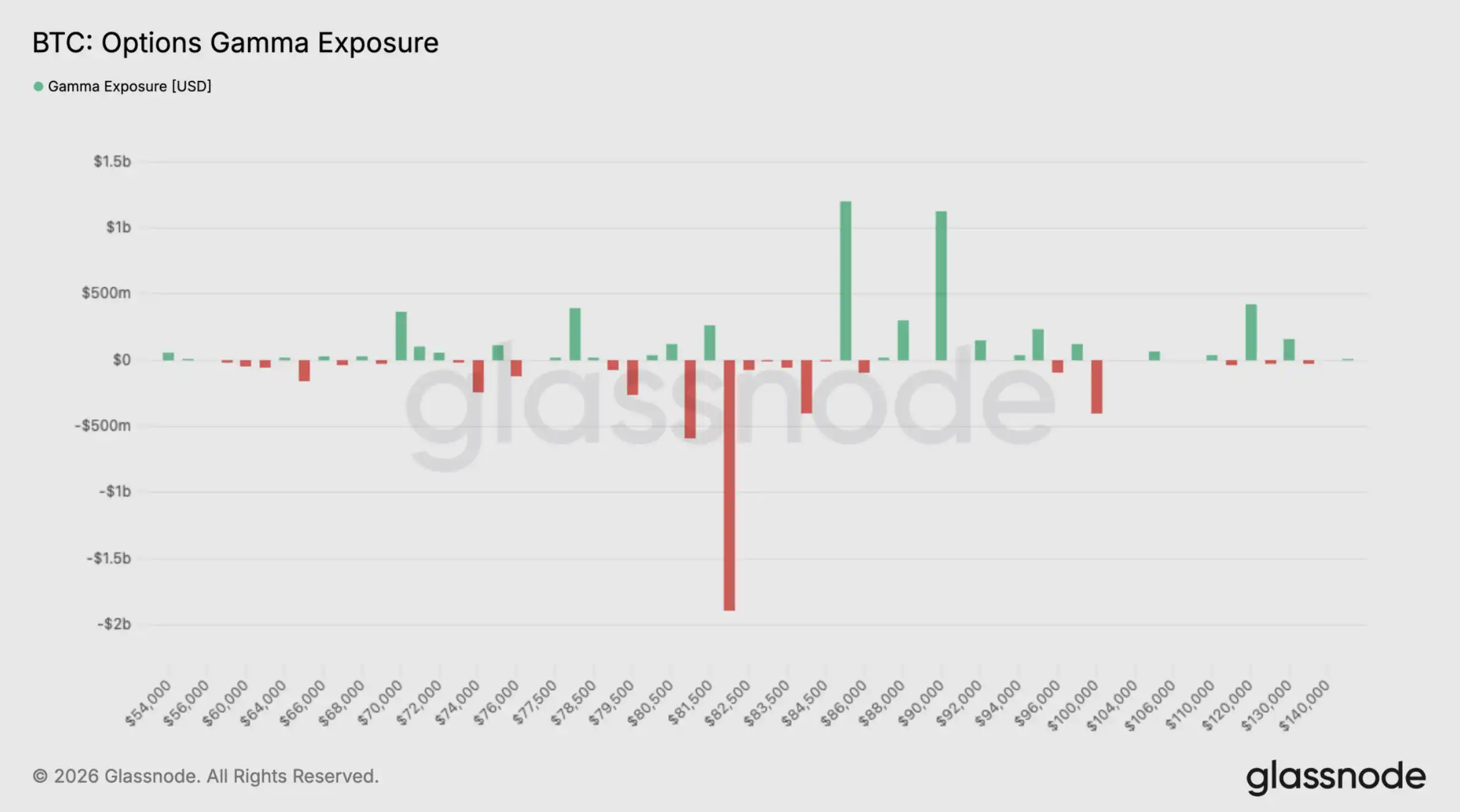
· There is a significant short Gamma cluster near $82,000, increasing price sensitivity. When the spot price is trading in this area, market maker hedging flows may amplify price fluctuations.
On-Chain Insights
Above Mean Levels
Last week, this report noted that the price encountered resistance around the True Market Mean and the Short-Term Holder Cost Basis, confirming the presence of short-term overhead pressure; at the same time, the dense chip accumulation zone between 65,000 and 70,000 US dollars was also seen as the foundation for the market to recover to the 84,000 US dollars supply zone.
Today, this recovery has taken place: Bitcoin has risen to $81,000 and has surpassed the $78,200 True Market Mean and $79,100 Short-Term Holder Cost Basis. This means that the price is in an uptrend, crossing both the average buy-in cost of all active circulating chips and the recent buyer's cost basis for the past 155 days.
If the price can continue to hold above these two levels in the coming week, then the deep value phase that has been ongoing since early February 2026 will become one of the shortest similar stages in Bitcoin market history. Next, the market's focus will shift to the next major resistance level near $85,200, which is the Active Realized Price. This indicator tracks the cost basis of all non-dormant supplies and represents the next structural threshold the market must face.
Profitability Turning Positive
Following the breakout of the True Market Mean, the improvement in price structure is also beginning to reflect in profitability metrics. The 30-day simple moving average of the net realized P&L has turned positive, currently at 0.003% of market capitalization. This metric measures the difference between realized profits and losses on-chain and is standardized by market capitalization.
This metric can be used to gauge whether investors transferring chips are exiting at a profit or at a loss overall. Returning to a positive value is a constructive signal after a period dominated by losses.
In mid-February of this year, this metric dropped to -0.027% of market capitalization. This was a notably negative reading, but compared to the extreme loss realization phase during the bear market of 2022 to 2023, its depth remains relatively limited. Looking back, this shallow negative value is also consistent with the previously mentioned recent short deep value phase's shorter duration.
Long-Term Holders Becoming Active
With net realized profit turning positive, the key question for the market going forward is: whether buyer liquidity is sufficient to absorb the gradually increasing distribution pressure from long-term holders and sustain upward momentum.
Following the recent bounce, the 14-day simple moving average of profits realized by holders of over a year has risen to around $180 million per day. This level is similar to September 2024 and December 2022.
This group has gone through the entire recent bear market phase. As the price rebounds to more favorable levels, their motivation to realize profits is increasing. If the current expansion continues, the distribution pressure from long-term holders is likely to further intensify.
However, it is important to note that this metric has not yet reached the overheated level of over $1 billion per day seen at the peak of this cycle. This indicates that at this stage, selling by long-term holders remains relatively restrained, rather than aggressive dumping. Whether the market can continue to stay above the True Market Mean while absorbing this gradually increasing supply will be a key test to determine whether this round of recovery truly has structural support.
Realized Losses Remain Elevated
Despite being in the early stages of a potential cycle transition, the realized profit-taking by long-term holders has not reached concerning levels yet. However, the scale of realized losses in the broader market continues to pose a more direct drag on the current momentum.
Currently, the 14-day simple moving average of total realized losses stands at $479 million per day, approximately 140% higher than the baseline level of $200 million per day seen during the more stable phases of this cycle. This reflects that some investors are eager to exit their positions as prices rebound and losses narrow.
If this metric can continue to compress to below $200 million per day, it will serve as a strong on-chain confirmation signal that selling pressure is dwindling, and the market is truly shifting towards a healthier demand phase.
Until this threshold is reached, the dual pressure of profit-taking by long-term holders and distribution of chips by high-priced buyers under smaller losses may still weigh on this round of rebound. Especially in the absence of strong short-term catalysts to attract new buyers, this pressure will become more apparent.
On-Chain Insights
After the price recovered from around $66,000 low and effectively broke back above the $76,000 range, systematic strategies have begun to reintroduce risk exposure. Glassnode's Moderate Strategy, which uses on-chain market data to manage positions, has now re-entered a state of allocation and participated in the recent move towards the $80,000 region.
The strategy is designed to focus more on downside protection, so it usually lags during rapid upward movements. However, the goal is to avoid deeper drawdowns and re-enter the market after conditions improve. This recent change reflects a more constructive market environment: prices have reclaimed key levels, and directional momentum is starting to recover.
ETF Demand Gains Momentum Again
There has been a noticeable recovery in demand for a U.S. Bitcoin spot ETF, with its net inflows' 30-day moving average turning positive after a long period of outflows. This shift marks a clear inflection point in institutional risk appetite and is a significant change following heavy distribution during the sharp pullback from late 2025 to early 2026.
Recent accelerated fund inflows have been highly synchronized with Bitcoin's rebound from around $66,000 to the $80,000 region, indicating a resurgence in confidence among traditional investors. If this trend continues, ETF demand could once again provide structural tailwinds, reinforcing spot market strength and supporting further price increases.
Bearish Pressure Persists
Despite Bitcoin's bounce from around $66,000 and a retest of the $80,000 region, perpetual contract funding rates remain predominantly in negative territory. The ongoing negative funding rates indicate that short positions still dominate, with traders willing to pay to maintain downside exposure even in the face of recent price increases.
Historically, this situation often occurs during periods of heightened market skepticism, making rebounds more vulnerable to shorting rather than aggressive longing. The simultaneous rise in price and negative funding rates suggests the market may be "climbing a wall of worry." If short positions continue to be squeezed, there is still potential for further upside in price.
Short-Term Volatility Repricing after Local Lows
Over the weekend, implied volatility briefly bottomed out, with volatility levels across various maturities dropping to the lowest point since October 2025, pre-dating the event on October 10.
Subsequently, as Bitcoin broke through resistance levels, volatility returned to the market, with the short end experiencing the most notable reaction. The 1-week implied volatility rebounded by approximately 6 volatility points from its low, primarily being driven by renewed demand for the upside and position adjustments.
Further amplifying this change was Gamma sellers rolling over their positions: buying back short-term options while selling options with longer maturities. As a result, short-term volatility saw a rapid increase, while longer-term volatility only saw a slight rise of 1 to 2 volatility points.
This reflects that the market is reengaging in options trading in the short term, but the long-term volatility expectation has not seen a broader upward revision.
Implied Volatility Leads, Volatility Risk Premium Rebuilds
Despite a significant price increase over the past week, Bitcoin's actual volatility continues to trend downward, with a 1-month actual volatility currently at 35.38%.
This has led to a clear divergence: post-breakout, the implied volatility is repricing faster than the actual volatility. The volatility risk premium has turned positive again, with a spread of nearly 3 volatility points, reflecting a renewed demand for short-term options.
This indicates that the actual volatility has not kept up with the recent price action. Implied volatility, driven by position adjustments and short-term demand, is rising ahead, while actual volatility remains relatively subdued.
The current structure still supports a carry strategy, but the widening spread indicates that the market is beginning to price in larger price swings in the future than the current actual volatility.
Skew Returning to Normal, Decrease in Downside Demand
Skews across various tenors are returning to near neutrality, reflecting a significant shift in position structure. After maintaining a consistent put option premium, the 25 Delta skew is converging, although it still remains in the put premium range.
This change is most noticeable in the short term. The 1-week tenor skew is now close to zero, indicating a weakening demand for downside protection. As this indicator is calculated as "put minus call," a decrease in this skew implies a reduction in the put premium relative to the call premium.
Longer-tenor skews are also gradually decreasing, albeit at a slower pace, and still retain some put premium. This suggests that the market is unwinding protective positions rather than adding more protection, especially on a short-term horizon.
This change comes after the recent price breakout, with traders reducing hedges and increasingly shifting towards directional exposure. Skew indicators no longer show a strong demand for downside protection in the market.
Large Short Gamma Cluster Increasing Spot Sensitivity
Gamma positions indicate a significant short gamma concentration near an $82,000 strike price, with approximately $2 billion in risk exposure located near the current spot price.
Short Gamma implies that market makers' position structure will force them to hedge along the price direction: buying on price increase and selling on price decrease. This creates a feedback loop, accelerating price volatility, and helps explain the recent process that drove the price up to around $83,000.
Strong call option buying pressure further reinforces this impact. In the past 24 hours, call option buying pressure accounted for about 40% of the trading volume, adding additional pressure to this area.
With the spot price right around this large short Gamma cluster, the market has entered a highly sensitive area. Small price movements may trigger larger market reactions. With enhanced hedging fund flows, the price may remain highly sensitive here and could experience sharp swings in either direction.
Conclusion
Bitcoin is showing early signs of structural mending: the price is back above the key on-chain cost basis level and is moving towards the upper resistance around $85,000. Spot demand and ETF fund flows are recovering, indicating that bulls still hold the initiative, but the market is also approaching a critical resistance area where supply may reappear.
At the same time, derivative positions still lean towards shorts, indicating that further upside moves may be driven by short pressure release. The options market is resetting, and the existing short Gamma cluster near the current price also increases the likelihood of price amplification when testing resistance levels.
Overall, the current trend remains constructive, with bullish momentum not yet disappearing, but the market is entering a more sensitive phase, easily amplified by fund flows. To confirm the uptrend's sustainability, the price needs to effectively break above the upper resistance level while being supported by sustained spot demand and easing selling pressure.
Welcome to join the official BlockBeats community:
Telegram Subscription Group: https://t.me/theblockbeats
Telegram Discussion Group: https://t.me/BlockBeats_App
Official Twitter Account: https://twitter.com/BlockBeatsAsia
