Oil prices surged 4.5% in two days, up 51% year-to-date, triggering a global bond market sell-off—German, UK, and Japanese bond yields hit multi-decade highs. The "tinder" accumulated from years of fiscal stimulus encountered the Iranian conflict, with inflationary pressures spreading far beyond the energy sector. With the September 11 CPI data and the Fed's interest rate meeting looming, analysts warn: if policy responses falter, the stock market could be the next pressure point. The spike in oil prices is pushing the already fragile global bond market to a critical point.
Following the US-Iran conflict reignition, Brent crude oil rose 4.5% in two days, with a 51% year-to-date increase. Under this impact, German, UK, and Japanese 10-year bond yields respectively reached their highest levels since 2011, 2008, and 1996, and the US 10-year bond yield also rose to a rare high since the financial crisis. Facing market turmoil, US Treasury Secretary Benson publicly stated at the G20 summit that high yields are a sign of a strong economy and vowed, "We will eventually overcome this adversity"—but the market remains skeptical.
The core risk of the current situation lies in the fact that years of fiscal stimulus and military spending have significantly weakened the fiscal foundation of major industrialized countries, while rising oil prices are now spreading inflationary pressures from the energy sector to a broader range of consumer prices. According to The Wall Street Journal, in the Fed's preferred inflation basket, 54% of commodity prices have seen a year-on-year increase of over 3%, far exceeding the historical average of about 32%. The question investors face now is: if the September 11 CPI data exceeds expectations, or if the Fed fails to raise rates at the subsequent meeting, can bond market pressure be digested without affecting the stock market?
Oil Prices Are the Catalyst for This Round of Bond Market Sell-Off
The direct catalyst for this round of global synchronized bond market decline is the re-escalation of military conflict between the US and Iran. Brent crude oil surged 4.5% in two trading days, with a year-to-date increase of up to 51%.
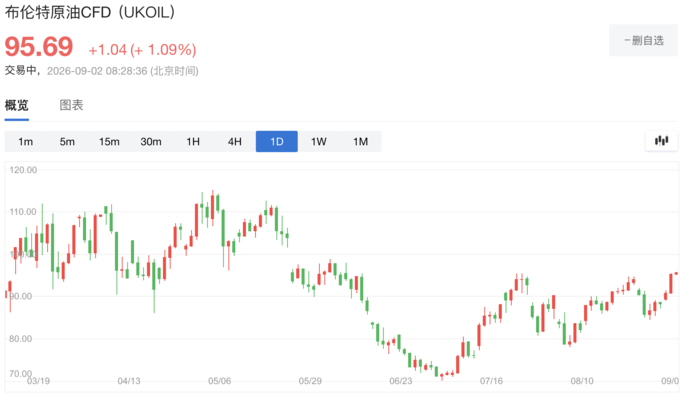
The sharp rise in energy prices is intensifying inflationary pressures worldwide. The Eurozone's August inflation rate accelerated from 2.9% in July to 3.3%, exceeding expectations. Analysts point out that the global synchronicity of this round of bond market sell-off indicates that the driving force comes from the global factor of oil prices, rather than the fiscal issues of any single country.
Analysis suggests that after the COVID-19 pandemic and the Russia-Ukraine conflict, the fiscal stimulus and military spending of major industrialized nations in recent years have significantly deteriorated their fiscal positions, with accumulated deficits acting as "tinder," while the reignition of the Iranian conflict serves as the spark.
Bernard: High Yield is a Strong Economic Signal, Fiscal Revamp May Take Months
Facing market pressure, Bernard defended the current situation at a G20 press conference held in Asheville, North Carolina. He attributed the current high yield to a triple factor: robust economic growth, a "transitory inflation shock" triggered by rising energy prices, and a surge in capital expenditure due to the artificial intelligence investment frenzy.
Bernard stated that AI-related capital expenditure has created a "dilemma" for the bond market in the short term, but in the long run, these investments will bring significant productivity gains, eventually leading to a "very strong deflationary effect" that will drive inflation and long-term yields lower.
On the fiscal revamp issue, Bernard stated on Monday that the related comprehensive plan may still take weeks or even months to be implemented, disappointing the market's expectations for swift government action to reduce the deficit. He also mentioned that oil prices will eventually fall, but "don't know if it's today, tomorrow, or next week."
Fed Stance and Inflation Data Key Variables
Against the backdrop of the short-term difficulties in fiscal policy, the market's attention has turned to monetary policy. Fed Chair Wash spoke at the Jackson Hole meeting last week, stating that signs of inflation spread have emerged—54% of goods prices have seen a year-on-year increase of over 3% in the Fed's preferred inflation measure, far above the historical average of about 32%, indicating that the rise in energy prices is permeating broader inflationary pressures. Wash stated that the Fed is ready to take action to curb inflation.
However, Bernard, in an interview with CNBC, stated that central banks traditionally do not raise rates in response to supply shocks unless there are "second or third-round effects." This statement creates a subtle tension with Wash's hawkish signals.
The market is currently facing two key events: the CPI data on September 11 and the Fed's interest rate meeting five days later. If inflation data exceeds expectations, or if the Fed fails to follow through on its rate hike commitment, analysts warn that the risk of a significant downturn in the September market will increase.
Will the Stock Market Become the Next Pressure Point?
During the G20 summit, Bernard is simultaneously addressing multiple fronts: managing the yen-to-dollar exchange rate, stabilizing long-term bond yields, and dealing with the rekindled trade friction with Canada. According to Japan Broadcasting Corporation NHK, Bernard stated in a meeting with the Bank of Japan Governor and Finance Minister that "Japan needs to make it clear to the market that it is moving towards higher interest rates and fiscal sustainability."
The analysis points out that until the situation in the Persian Gulf stabilizes, the central bank's tightening policy and fiscal consolidation efforts may only have a marginal effect. With oil prices remaining high and inflation expectations increasing, the global bond market is unlikely to see a quick reversal of pressure. Once the bond market pressure further spreads, the stock market will become the next target of stress.
Welcome to join the official BlockBeats community:
Telegram Subscription Group: https://t.me/theblockbeats
Telegram Discussion Group: https://t.me/BlockBeats_App
Official Twitter Account: https://twitter.com/BlockBeatsAsia
