Editor's Note: While discussions about AI are still focused on new products and capabilities, a more foundational shift is quietly taking place in enterprise software. The focus of this article is not on how AI will create many new applications, but on how it is entering a more profound yet less glamorous scenario: the core systems of enterprises represented by SAP, Salesforce, and ServiceNow.
In simple terms, these three types of systems correspond to different aspects of enterprise operations:
· SAP is responsible for core resource management such as finance, inventory, and production, serving as the company's "ledger";
· Salesforce manages customer and sales processes, determining how the company generates revenue;
· ServiceNow supports internal processes and operational systems, enabling organizations to run smoothly. Together, they form the infrastructure of daily enterprise operations.
These systems are extremely critical on one hand, but also commonly difficult to use, complex, and cumbersome on the other. Companies have added a large amount of customization and processes on top of them, turning them into both the organizational memory and gradually evolving into a difficult-to-migrate technical burden. The more crucial the system, the harder it is to change.
The opportunity for AI is emerging here.
Instead of replacing these systems, a more realistic path is to build a new layer of actionable systems on top of them, reducing migration costs in the implementation phase, simplifying operations through co-piloting and agency in the usage phase, and replacing complex customization with lightweight applications in the extension phase. Therefore, the real change is not whether the system itself is replaced, but how the interaction between people and the system is being rewritten. AI will not replace SAP, Salesforce, or ServiceNow, but may gradually make them "invisible". And the new platforms will redefine the true value boundary of enterprise software on this invisible interface layer.
The following is the original text:
As AI advances, the focus of startups and their customers has mostly been on brand-new capabilities and the products they enable. For example, various dazzling voice agents, workflow automation tools, and platforms for text generation applications.
Indeed, these directions have already emerged and will continue to give birth to many exciting companies (we have also invested in some of them). But what AI may truly impact in a more profound way is not these seemingly cool areas, but a less flashy yet more valuable direction: helping organizations better leverage the vast amount of software they already have in place.
Here is a question that may sound somewhat offensive, but once you spend a week in a Fortune 500 company, you'll understand its practicality: Why do people still use SAP (along with ServiceNow, Salesforce) to this day?
The short answer is: SAP and similar large-scale systems house the critical data needed for enterprise operations. More importantly, companies have heavily customized these systems, overlaying complex processes and role allocations, much of which is not even explicitly documented. Migrating away from these systems is often costly, lengthy, and painful, typically requiring a large consulting team, taking years and costing billions of dollars. For instance, upgrading from SAP ECC to SAP S/4HANA could cost $700 million, take 3 years, and involve a 50-person team from Accenture. And even after the migration is completed, this software is often used mainly to generate static reports, with little flexibility for manipulation.
However, this situation is changing.
AI is opening up a new realm of possibilities, allowing companies to upgrade, customize, replace these systems, and most importantly, access and utilize the data stored within them more efficiently.
Ultimately, the goal of AI may not be to replace SAP/ServiceNow/Salesforce but to make them more programmable and user-friendly. The real winners will be platforms that can do two things: first, tap into the enterprise's digital transformation budget to quantifiably reduce risk and shorten cycles; second, gradually integrate into daily operations, becoming the nerve center of work, breaking down traditional clunky interfaces into composable, governable operations and lightweight applications assisted by AI.
In other words, the system of record itself will not disappear; what will undergo transformation is the upper layer of interaction interfaces, automation capabilities, and extension layers, marking the next frontier of software competition.
SAP is difficult to use, but we still can't do without it
To set the stage for this question, let's first briefly discuss what SAP is and what it does. Superficially, systems like these are hard to handle, operationally complex, and costly to modify, making them quite cumbersome to work with; yet, at the same time, they remain the central pillar of operation for global large-scale organizations. Just imagine what it would be like to use SAP on a daily basis.
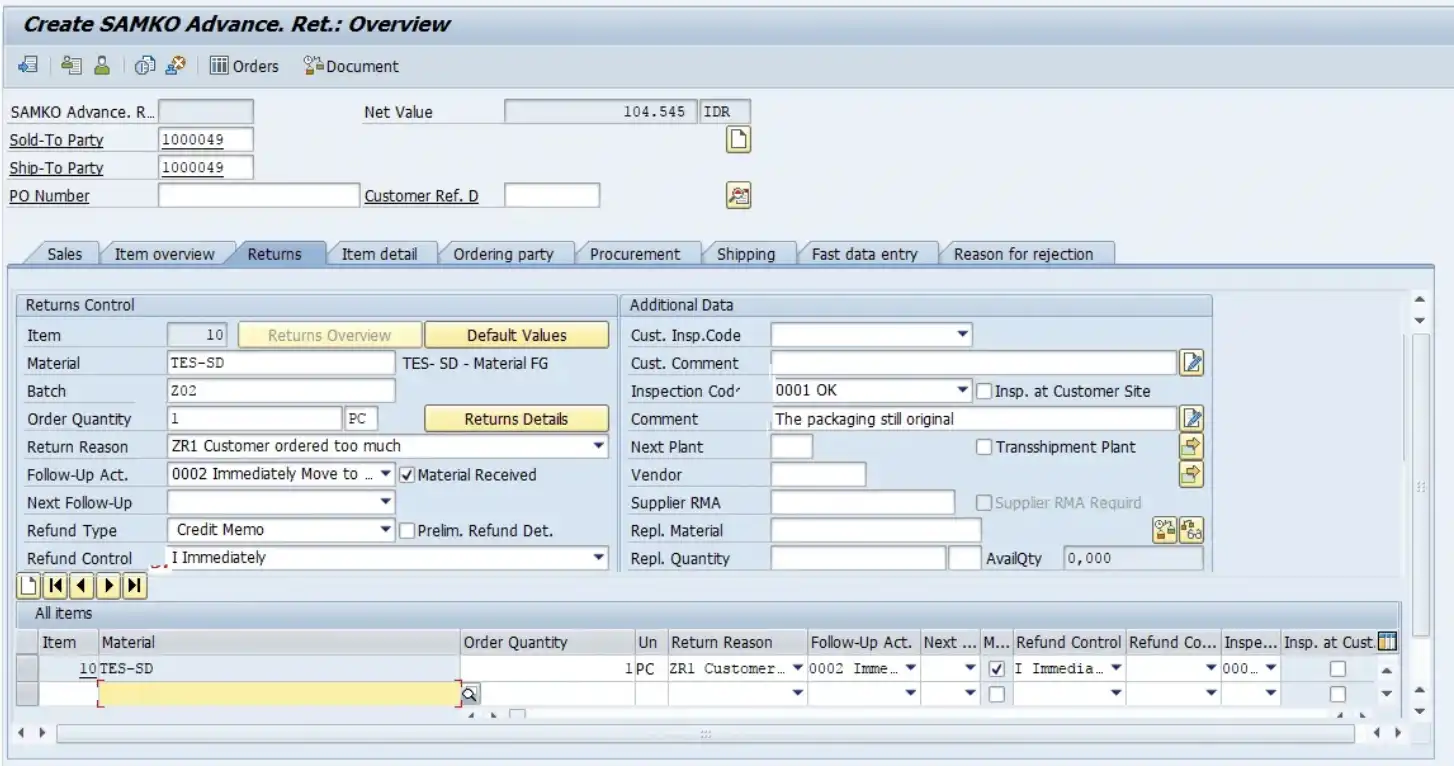
But this very notion of inexplicability is where the opportunity lies.
An uncomfortable yet more truthful answer is: beneath those clunky interfaces and endless configurations, these systems are actually extremely powerful. They carry a company's core data model, define permission and control mechanisms to ensure compliance, embed workflow support for operational scale, and connect integrated relationships with dozens or even hundreds of downstream processes. They are not applications in the consumer internet sense, but rather organizational memories crystallized in the form of data tables, role systems, approval processes, accounting logic, and exception handling.
Replacing such systems is not only expensive but also highly risky. The more a company invests, such as in custom fields, processes, pricing rules, and reporting logic, the more this system becomes like a moat formed by switching costs, and even part of a competitive advantage. This is why scalability is so important: every company is unique, change is ubiquitous, such as new regulatory requirements, new products, new organizational structures. These platforms can endure in the long run precisely because they can be continuously adjusted to adapt to reality.
However, the problem lies in the fact that the very scalability that makes them powerful also makes them fragile. Every customization is a potential minefield for future upgrades; every workflow evolves into a complex maze; every interface is a continuous drain on the user.
This fragility is almost ubiquitous. Although CRM has been widely adopted, user satisfaction has always been mixed; the high degree of customization of ERP is almost always associated with project delays and budget overruns. Employees are overwhelmed by fragmented workflows, needing to switch between different applications about 1200 times a day, equivalent to wasting about 4 hours per week; 47% of digital workers struggle to find the information they need to do their job. Large-scale digital transformation projects also frequently falter, with estimates suggesting that around 70% fail to achieve their stated goals. The expenditure generated by these frictions is enormous, with the software implementation and systems integration market alone reaching around $380 billion in scale in 2023.
It is within these processes and pain points that AI has brought an opportunity to reshape the way software is implemented and used. One simple way to understand this opportunity is to look along the lifecycle of enterprise software: first is implementation or migration, then daily use, and finally continuously building on it in response to business changes. At each stage, the essential work is to translate chaotic human intent into executable and auditable correct operations recorded in the system.
Next, we can separately examine how AI improves the traditional software system's usage at each stage.
Implementation Stage
Let's start with the implementation stage, which is the highest risk, most budget-sensitive, yet most clearly rewarding phase. Specifically, it is about transforming scattered research information, such as meetings, documents, work orders, into structured requirements, and automatically generating the required implementation workflow, including process and field mapping, configuration and code, test scripts, switch plans, migration manuals, and pre-launch data cleansing and validation. This process is extremely complex and error-prone. German retail giant Lidl once abandoned its SAP transformation project after investing $500 million.
Around this phase, a group of companies is building tools to assist migration and implementation, such as various co-pilot systems, project management tools, and more. Here are some typical examples:
· Axiamatic offers an AI safeguard layer for ERP, which builds a project knowledge graph to highlight potential issues in requirements and change management in Slack or Teams, reducing risks, accelerating S/4HANA project progress. It has been integrated with SAP Build and embedded in consulting processes of KPMG, EY, IBM, and others.
· Conduct is a co-pilot tool for code and process mapping that can generate a semantic layer and technical documentation during the ECC to S/4 migration process. It supports Q&A for custom tables and APIs to speed up internal adoption.
· Auctor provides agent-based implementation delivery capability for system integrators and professional service teams. It can automatically transform the discovery process into structured requirements and further serve as a system record for managing SOW, design documents, user stories, configuration, and test plans.
· Supersonik focuses on product enablement, providing visual and voice agents for in-context teaching, reducing the need for solution engineers and supporting channel and customer-driven implementation and expansion.
· Tessera builds AI-native system integration capabilities to directly connect to a company's existing ERP system, assess its implementation status, automatically identify and rectify issues during the migration process, and achieve end-to-end transformation management.
The value of these companies lies in making transformation faster, cheaper, and more manageable. This is specifically reflected in several aspects: early issue discovery in requirements and change management stages to avoid amplification later on; compressing the time cycle because even a month's delay can result in costs in the millions of dollars; transforming scattered project data into structured knowledge so that internal teams can take over more quickly; and reducing reliance on large system integration teams through automated mapping, document generation, testing, and training.
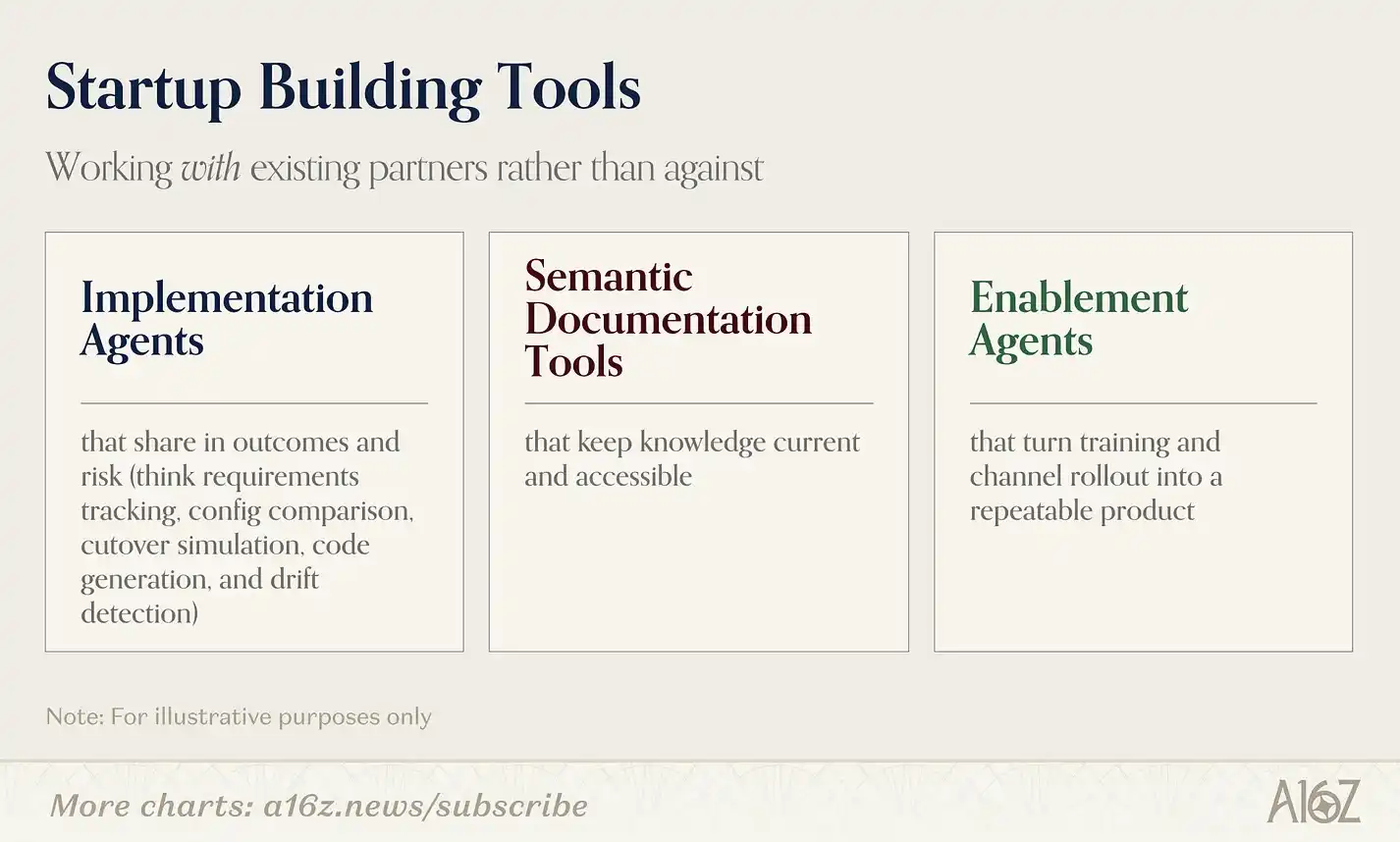
We believe there is still room for more startups in this field, especially those that collaborate with existing partners rather than confrontational tools. Specific directions include:
· Implementation agents tied to project outcomes and risks, for example, used for requirement tracing, configuration diffing, switch simulation, code generation, and variance detection;
· Semantic documentation tools to ensure knowledge remains up-to-date and easily accessible;
· Empowerment agents to convert training and channel promotion into reusable productized capabilities.
As startups are able to actually alleviate enterprise burden, they can price based on the opportunity cost saved for the enterprise and directly tap into the transformational budgets that CIOs and CFOs have already put in, while in the process displacing those bloated system integration projects.
Usage and Maintenance
Next, once a software system is fully implemented, the real challenge begins. Day-to-day usage means constantly navigating through these systems' complex and chaotic interfaces. Daily work often spans dozens of interfaces, and personnel turnover continually resets accumulated experience, while a large number of edge processes never receive good product-level support. Users need to spend time searching for fields, manually synchronizing data between different systems, or frequently asking the operations team for requests like "can you run this report for me." The result is slower process cycles, frequent errors, and ongoing training costs.
Here, the opportunity for AI lies in building a friendlier, more powerful layer on top of these legacy systems.
These types of companies aim to help teams extract more value from existing systems. In practice, it is often a copilot present in Slack or a browser sidebar, able to answer questions like where to find certain data or how to complete a certain operation through semantic search, and to perform secure actions if APIs are available, such as creating work orders, entering journal entries, updating vendor terms, and more. These tools can also link multiple systems to form cross-application composite workflows, such as pulling last quarter's purchase orders from SAP, verifying contract terms in Coupa, drafting variance explanations in ServiceNow, and incorporating human approvals, audit trails, and granular permission controls along the way. Excellent products also track usage, saving time, error rates, and other metrics.
However, the reality is that a significant amount of critical work within enterprises is not exposed through standardized APIs but lives in various interfaces, such as legacy clients, virtual desktop environments, and poorly documented admin backends. Therefore, modern computer-operated agents have become a crucial complement to API-driven copilots. They extend the reach of automation to that last 30% to 40% of processes that cannot be accessed through interfaces.
Their core capability is not just clicking buttons but rather the ability to stably execute in a chaotic environment. These agents need to understand interface structures, locate stable elements, recover execution in pop-ups or layout changes, and record progress at key points for safe recovery after interruptions. When these capabilities are combined with verification mechanisms (such as diff checks, reconciliations, sandbox testing) and enterprise controls (single sign-on, key management, least privilege, audit trails), they can transform work that was previously reliant on manual intervention into governable, repeatable automated processes, such as work order triaging, period-end close steps, customer updates, price adjustments, even in parts of SAP, ServiceNow, Salesforce that were not originally designed for automation.
This can be understood as follows: APIs make standard pathways more efficient, while computing power enables even long-tail processes to be automated.
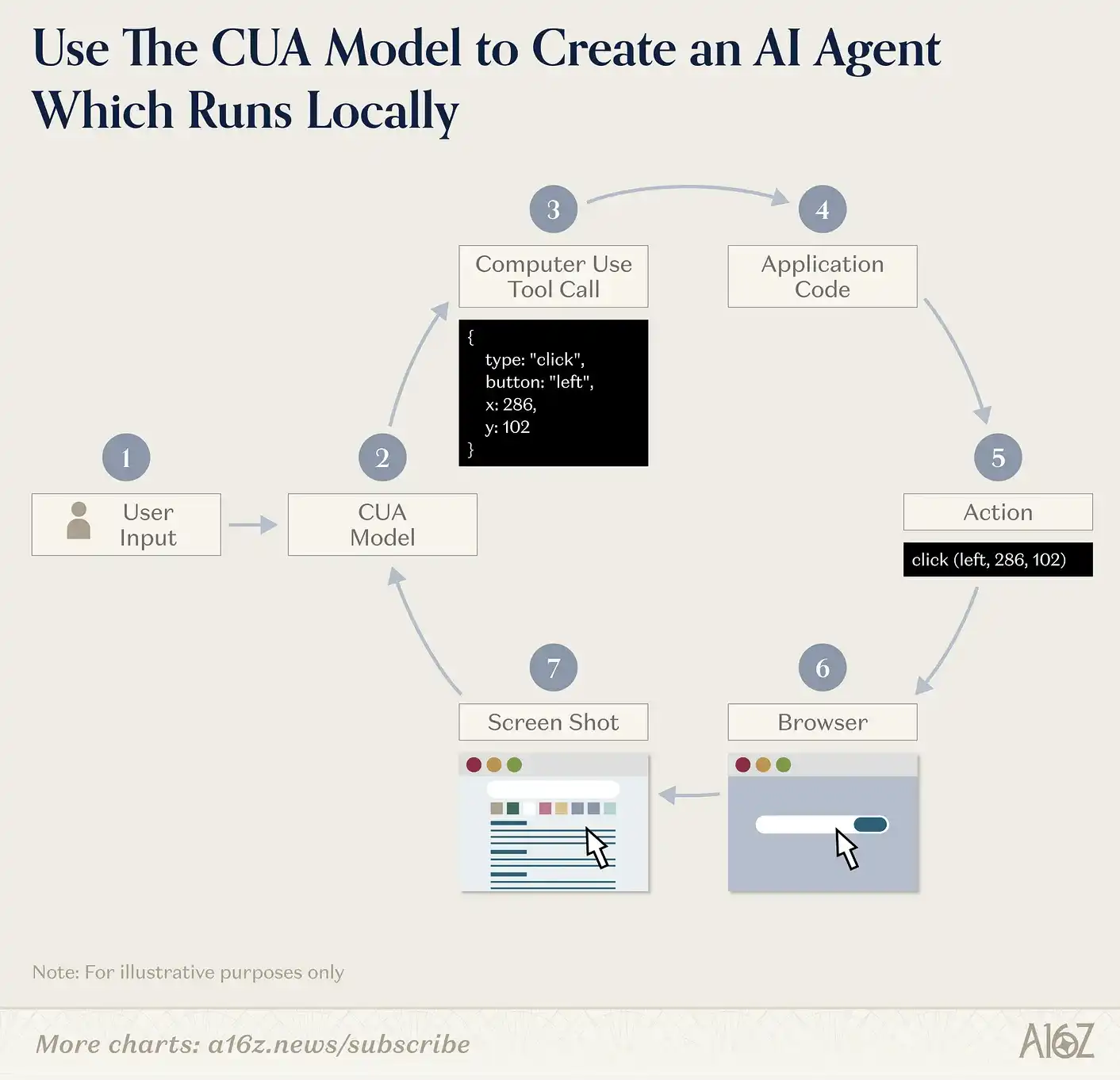
Companies like Factor Labs and Sola have already deployed such agents in production environments, replacing traditional business process outsourcing expenditures and helping large organizations achieve scalable task automation.
Expansion Layer
Finally, even as you make SAP, ServiceNow, and Salesforce more user-friendly, the enterprise itself is constantly evolving, meaning that system records must also evolve. New products, new policies, new mergers and acquisitions, new regulatory requirements, and a large number of long-tail processes that are never worthy of individual standalone core module development are all continuously driving software to adapt to the true state of the business. In the past, teams usually only had two choices: either deeply customize the system and bear the associated cost of fragility, or develop scattered standalone applications, but then face difficulties in integration, governance, and maintenance.
AI provides a third path: building small, governable application experiences on top of the core system at a faster pace without disrupting it.
Building new tools and automation capabilities on top of traditional systems can be seen as adding a more "usable" experience layer on top of a set of not-so-user-friendly software. The basic pattern is to first build a unified data and action plane: read data from system records through APIs and events (supplemented with secure interface scraping when necessary), standardize it into a semantic model of business objects, such as orders, suppliers, work orders, etc., and then provide a set of operation interfaces with permission control, approval mechanisms, and auditing capabilities based on this.
On this basis, teams can rapidly build application experiences focused on specific scenarios, which are more modern and closer to actual needs. For example, instead of having procurement staff go through dozens of steps in SAP to onboard a supplier, a single lightweight supplier onboarding app is provided to collect data, perform validation checks, circulate approvals, and finally write the data back to SAP. Similarly, rather than having revenue operations teams switch between multiple interfaces in Salesforce to modify renewal terms, a high-speed editor similar to a spreadsheet is provided to batch modify, validate compliance, preview impacts, and ultimately submit changes with a complete audit trail. Or, instead of repeatedly building new portal systems, a unified operational entry is provided for frontline teams to perform daily high-frequency operations across systems, such as creating returns, extending credit limits, initiating secondary fault tickets, accruing expenses, etc., without the need to constantly switch between many pages.
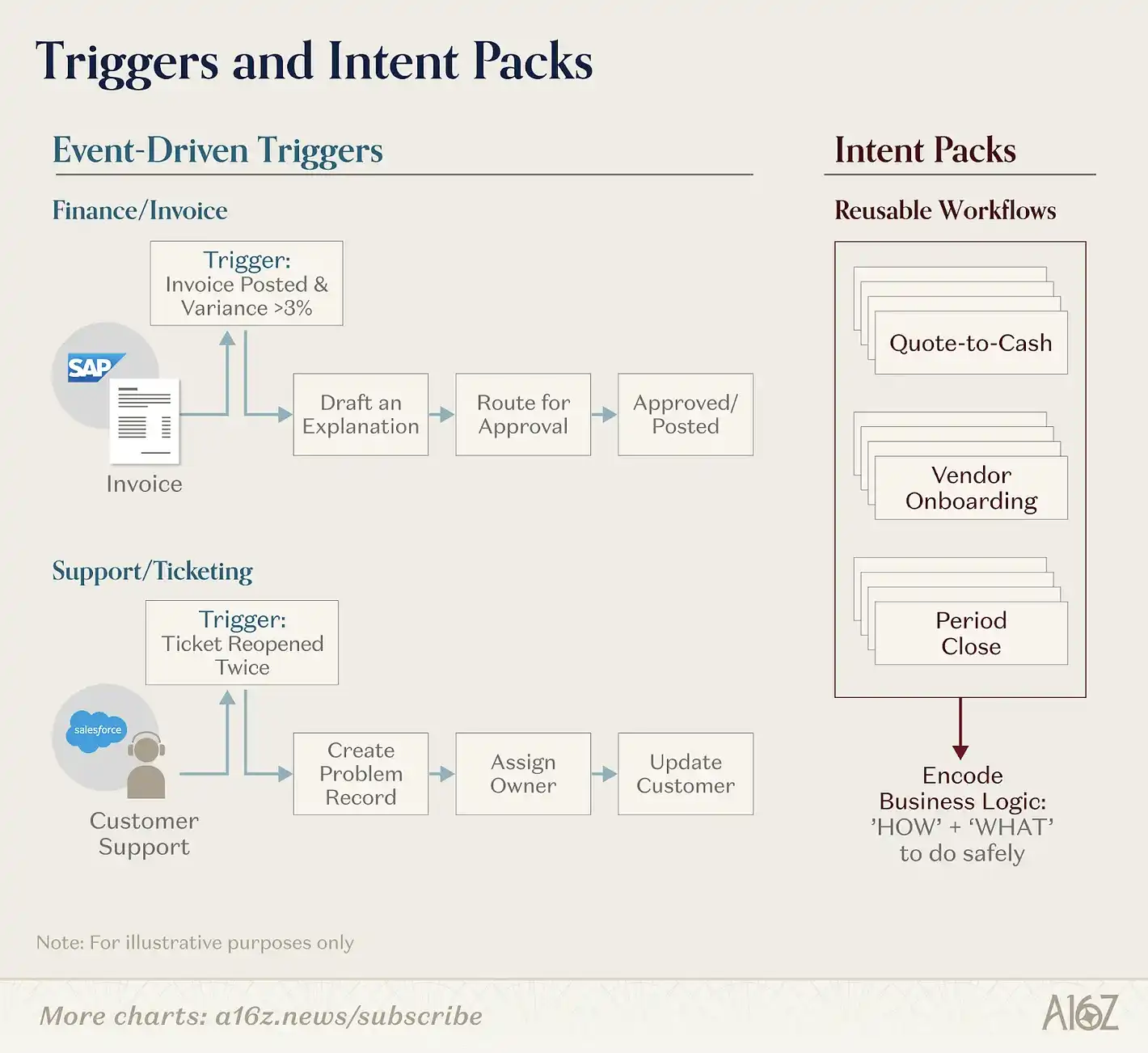
These extension layers can also bridge cross-system workflow and automation capabilities, which is difficult for any single vendor to prioritize. For example, through event-driven automation: when an invoice is posted and the discrepancy is over 3%, automatically generate an explanation and submit for approval; or when a work order is reopened twice, automatically create a ticket, assign a responsible party, update customer status, and introduce human review at key points.
Over time, the most valuable practices will gradually solidify into reusable intent modules, such as from quoting to cash, vendor onboarding, year-end settlement, and so on. These modules not only define what needs to be done, but more importantly, how to perform these operations securely and compliantly in a specific enterprise environment.
Products like Cell launched by General Magic make the foundational capability to build such customized workflows concrete: you can upload an OpenAPI specification to turn every interface into a callable operation; then, through a simple script embedded in the native command bar, directly execute real API calls, supported by analytical capabilities, multi-tenancy architecture, security controls, and permission management mechanisms. Thus, the focus of work shifts from rebuilding a set of interfaces to composing the right operations and strategies on existing, trusted systems.
What Will the Endgame Look Like?
Our assessment is that these traditional systems will mostly continue to exist, but they will no longer be the primary interface where work happens. ERP, CRM, ITSM, and other systems are deeply embedded in enterprises and cannot be replaced at the pace of regular software; they will evolve slowly and continue to exist as system of record. What will truly change is the user-facing action systems built on top of them: AI will become the default entry point to understand how systems operate, orchestrate workflows between systems, and construct lightweight modern applications that bypass traditional interfaces. In other words, the layer that used to serve as a bridge will become the real highway.
In this paradigm, software that can succeed long-term will no longer resemble chatbots but will look more like an operating system: a unified data and action plane built on a semantic model of business objects and equipped with robust security and governance mechanisms to enable reliable AI operation in a production environment. For end users, there is no need to learn which specific interface, field, or transaction code to use, nor to relearn repeatedly after interface or process changes; just describe the result you want to achieve, and the system will help you complete it. Along the way, the system will ask necessary clarification questions, show an execution preview, and then complete the operation under appropriate approval and auditing mechanisms.
For example, you could issue commands like: create a return and notify the customer, create a tier-2 incident ticket and retrieve the three most recent related events, or complete the vendor onboarding process, including gathering information, going through approval workflow, and setting payment terms. Today, these operations often require switching back and forth between SAP, Salesforce, Service Now, and spreadsheets to accomplish. However, in the new paradigm, they will be integrated into a unified execution flow.
The result of this transformation is fewer errors and rollbacks, lower experience dependency, faster processing cycles, and significantly reduced training costs, as the entire interaction is intent-driven, role-aware, and defaults to self-service.
The moat will also continuously accrue in real-world usage: every successfully executed workflow will be deposited as a reusable intent; every exception handling will be transformed into new security constraints; every artifact from migration processes will become part of the continuously updated system fabric; every integration will deepen the understanding of how the business truly operates. Over time, this layer of AI will become the core entry point for the team to understand change impacts, prevent system drift, measure ROI, and build new workflows, even if the underlying systems themselves have not changed.
