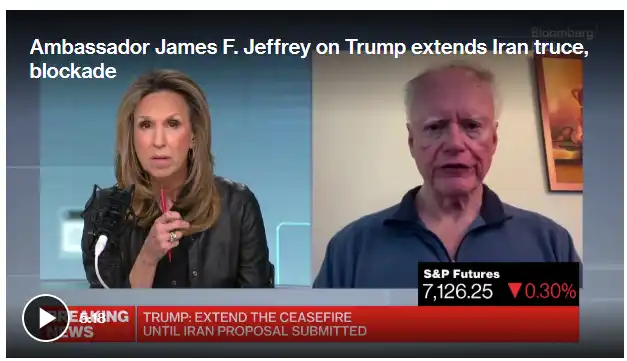
Editor's Note: U.S. President Donald Trump announced the indefinite extension of the ceasefire with Iran and the continuation of the blockade in the Strait of Hormuz as the ceasefire deadline approached. Trump stated that the U.S. would extend the ceasefire until Iran submitted a new proposal, "and regardless of the outcome, negotiations will conclude"; he also emphasized that without this blockade, "we wouldn't make a deal with Iran."
From a strategic perspective, the U.S. is attempting to pressure Iran to make concessions on nuclear and negotiation terms by combining "ceasefire extension + maintaining the blockade" to avoid an immediate escalation to full-scale war while continuing to pressure Iran. However, Iran has neither accepted the negotiation terms nor proactively requested an extension of the ceasefire. Instead, it has maintained a tough response in energy exports and military posture, leading to a deadlock on the core issue of "whether to negotiate and how to negotiate."
Of greater concern is that this standoff has begun to spill over into the global markets. As a critical conduit for global energy transportation, the blockade and reopening of the Strait of Hormuz have not only exacerbated oil price volatility but also magnified the uncertainty in the energy and shipping systems. In the short term, the ceasefire extension has provided some buffer for the market; however, in the medium to long term, in the absence of a clear negotiation framework and fundamental trust, this passively extended ceasefire appears more like a fragile balance that could be broken at any time.
As the diplomatic path remains blocked and military deterrence continues to escalate, the next phase of this conflict will depend on whether both sides return to the negotiating table or slide towards more intense confrontation.
Below is the original text:
U.S. President Donald Trump announced the indefinite extension of the ceasefire with Iran as the ceasefire agreement was about to expire; meanwhile, following the breakdown of the scheduled peace talks between the two parties, the U.S. still maintains the maritime blockade in the Strait of Hormuz.
Trump stated on his social platform, Truth Social, that Pakistan, as the mediator, requested the U.S. to postpone launching a new round of strikes. The U.S. will extend the ceasefire deadline until Iran submits a new proposal, and "regardless of the outcome, negotiations will conclude." In another post, he also mentioned, "without this blockade, we wouldn't make a deal with Iran—unless we blow the rest of their country, including their leader!"
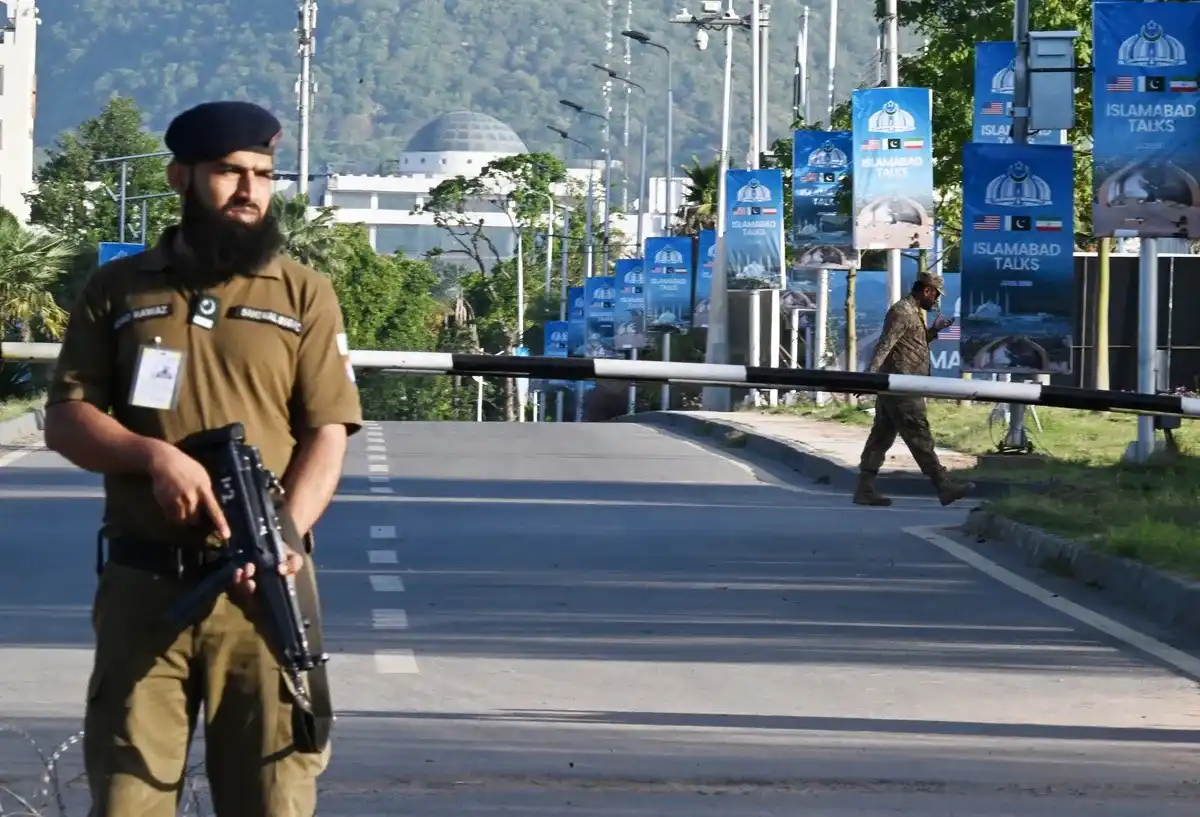
U.S. Vice President JD Vance was set to travel to Pakistan to restart negotiations with Iran, but representatives from Tehran refused to attend, stating that the U.S. conditions were "unacceptable." Iran's semi-official Tasnim News Agency reported that Iran's participation in the negotiations "has no practical possibility" at the moment.
A White House official confirmed in a statement that the Vice President's scheduled trip for Tuesday would not take place.
This stance is in stark contrast to remarks made earlier that day by Donald Trump. During an interview with CNBC, he stated, "If Iran doesn't meet my conditions, I expect to launch airstrikes," and referred to the U.S. military as "ready to go, always ready." In a phone interview on Monday, Trump also mentioned that if an agreement couldn't be reached, he was "highly unlikely to extend" the current ceasefire.
Fueled by the news of the ceasefire extension, oil prices rose for a second consecutive day. After a nearly 9% cumulative increase in the first two trading days, Brent crude oil is currently priced at around $98 per barrel. Crude oil prices in January dropped below $60, reached a high of $119.50 in March. The average U.S. retail gasoline price is currently around $4 per gallon, compared to $3 per gallon before the outbreak of war on February 28.
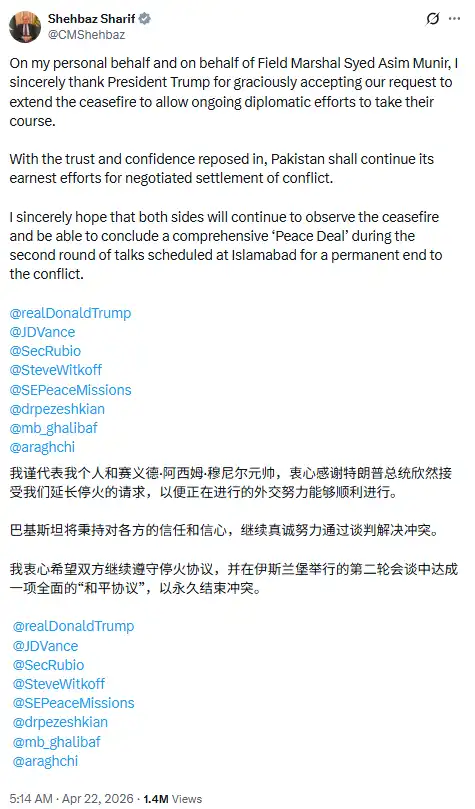
Pakistani Prime Minister Shehbaz Sharif expressed gratitude in a statement for Trump's ceasefire extension, "providing time for the ongoing diplomatic efforts to proceed smoothly."
In a post on X platform, he stated, "I sincerely hope that both parties can continue to abide by the ceasefire agreement and reach a comprehensive 'peace deal' in the second round of negotiations in Islamabad, thereby achieving a permanent resolution to the conflict."
Senior Iranian officials had yet to respond to Donald Trump's statement as of late night Tehran time. Iran's semi-official Tasnim News Agency cited unnamed sources stating that Iran had not requested an extension of the ceasefire. At the same time, the media outlet indicated that as long as the U.S. maintains a naval blockade, Iran will not reopen the Strait of Hormuz.
The semi-official Fars News Agency in Iran, citing a military statement, reported that Iranian armed forces are "on full alert, with their fingers on the trigger".
These developments mark the latest escalation between Washington and Tehran since the U.S. and Iran declared a two-week ceasefire on April 7. Since then, the two sides have engaged in a public back-and-forth over the terms of the agreement, intermittently closing and reopening the Strait of Hormuz. Before the conflict, about a fifth of the world's oil and liquefied natural gas exports passed through the strait.
According to the data intelligence company Vortexa, at least two fully laden Iranian oil tankers have sailed out of the Persian Gulf this week, bypassing U.S. sanctions. The company's data also indicates that Iran still has the capability to export oil, with at least 34 Iranian-linked oil tankers and gas carriers transiting through the strait and evading naval blockades.
The British Navy stated on Wednesday that an Iranian gunboat fired on a container ship near the Strait of Hormuz, causing "significant damage" to its bridge, fortunately with no casualties.
The UK and France are convening military planners from over 30 countries for a two-day summit to discuss how to ensure the Strait of Hormuz remains open. UK Prime Minister Keir Starmer and French President Emmanuel Macron have been spearheading a plan to keep the strait open post Iran-war, rejecting Trump's call for allies to use force to reopen the Strait of Hormuz.
Following the initial ceasefire announcement, a round of talks between the U.S. and Iran ended in failure. U.S. officials said Iran was unwilling to accept restrictions on its nuclear program, while the Iranian side stated that the U.S. had put forward a series of demands it could not accept.
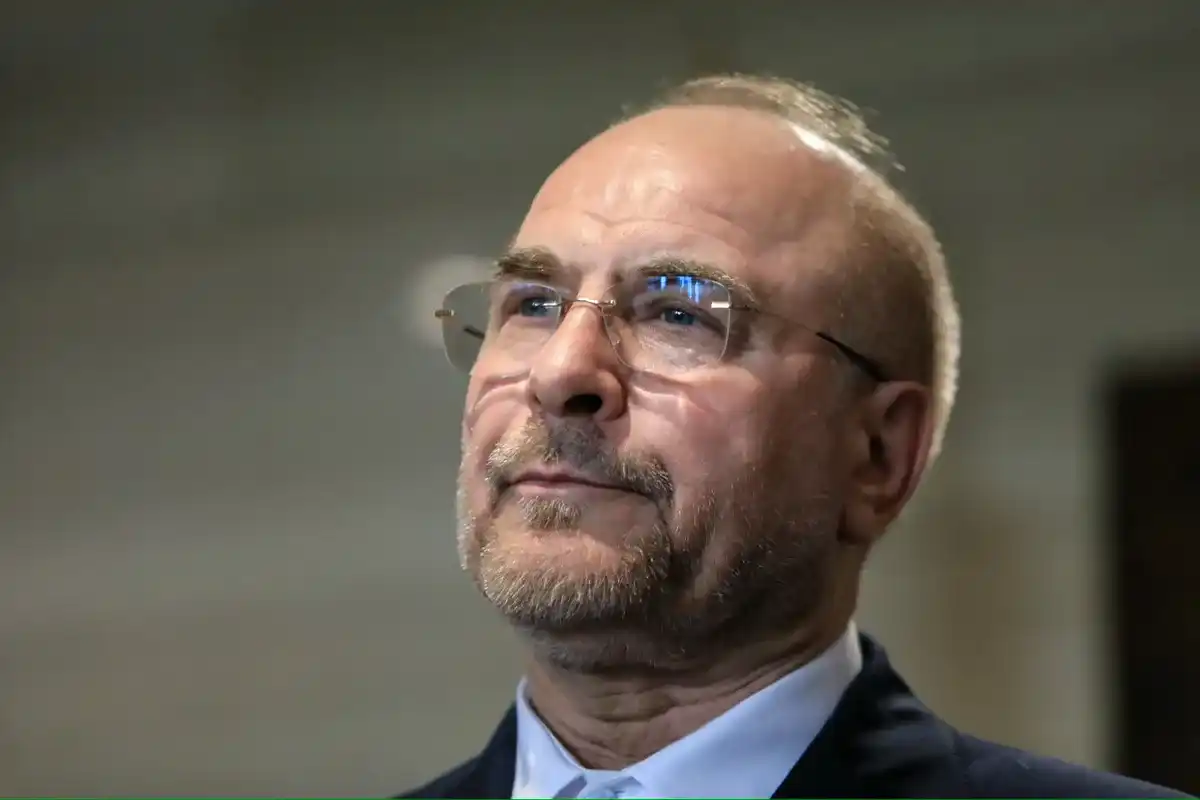
Iran's Parliament Speaker Mohammad Bagher Ghalibaf, who led a Tehran delegation to the first round of talks, said on Monday that Iran would not "negotiate under the shadow of threats."
While a ceasefire extension may temporarily calm investor sentiment, the path to a lasting peace agreement remains uncertain. The conflict, now in its eighth week, has resulted in thousands of deaths and triggered a global energy crisis, putting greater pressure on both sides to find an "exit strategy."
Donald Trump has demanded that Iran abandon its pursuit of nuclear weapons and hand over its nuclear materials. Tehran has denied any such pursuit and refused to hand over its enriched uranium.
Alex Vatanka, a senior fellow at the Middle East Institute, said that Trump has in a way "painted himself into a corner" because he does not actually want to return to military conflict.
"He made a strategic mistake in assuming that raising the volume on Iran constantly would work," Vatanka said. "That doesn't work with this regime. Sometimes, subtle pressure is more effective than public pressure."
