The elite of the token circle in this generation is no longer the kind of "all-in" gambler as in 2017. From Hong Kong and Singapore to Dubai and Miami, the lifestyle of crypto OGs and Wall Street finance bros is getting closer and closer.
At the same time, it is gradually getting younger, more technological, and healthier. The early group of people who got rich in the first wave of Bitcoin are getting older. They are no longer worried about missing the next 10x opportunity but are starting to worry about how to live to see the next cycle.
Now it's about how many points your Morning Readiness Score is, whether you accumulated enough cold exposure time from ice baths last week for 11 minutes, if your paddle tennis serve level can keep up with the Bahamian group, if your glasses have screws, if the smoothie on the table is from Erewhon in Los Angeles, if your bed has temperature control technology, how your skiing skills are in Hokkaido, and if SBF likes the paddle tennis ball you use, and so on.
Below are 8 items and lifestyle habits that the rhythmic editor has selected from observations within the circle over the past year. How many do you have?
Oura Ring
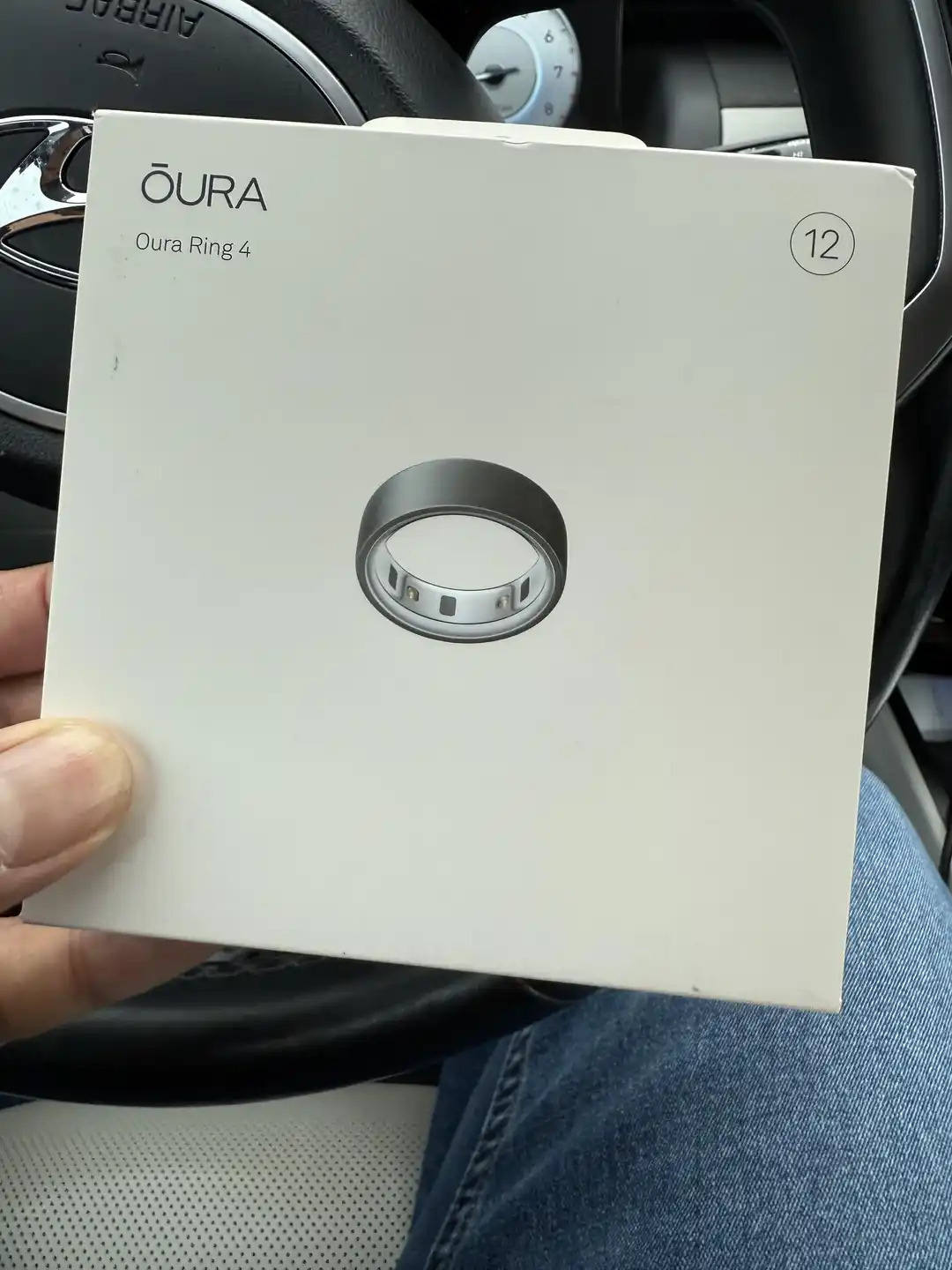
The Oura Ring is a 4-6 gram titanium metal ring that has many users in the crypto industry. The founder of F2POOL, the co-founder of Cobo, shared in a Twitter post about his recommended items for 2023, mentioning the Oura Ring. Dovey Wan, co-founder of Primitive Ventures, has also shared the Oura Ring on Twitter.
The latest generation, Oura Ring 4, was released in October 2024, starting at $350, with a $6 per month subscription. It features built-in infrared LEDs, temperature, and heart rate sensors, monitoring sleep stages, HRV, deep sleep duration, body temperature, resting heart rate, and respiration rate throughout the day. Based on these functions, the app uploads a daily 0-100 Readiness Score every morning.
The real breakthrough for the Oura Ring was during the COVID-19 pandemic in 2020 when it could predict infection 3 days in advance through body temperature and HRV. Since then, Oura has transformed from a "geeky toy" to a "body radar." In October 2025, it raised $9 billion in Series E funding, with a valuation of $110 billion, and its revenue exceeded $10 billion in 2025.
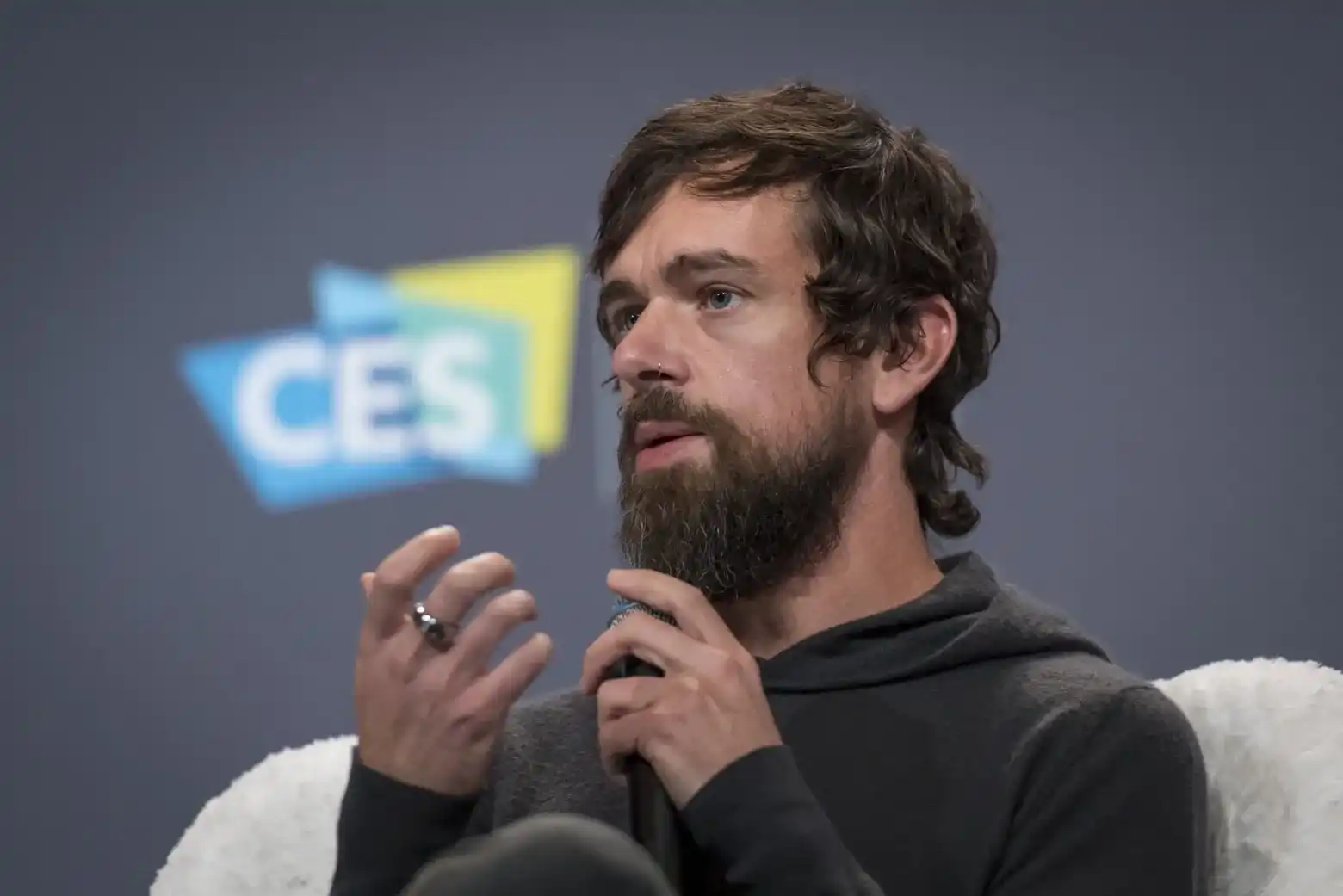
Jack Dorsey, the founder of Twitter, CEO of Block (formerly Square), and one of the most prominent Bitcoin advocates, is an early investor in Oura Ring and an early adopter.
In a 2020 interview, Jack Dorsey mentioned that while running two large companies simultaneously with irregular sleep patterns, he started wearing the Oura smart ring to help with his sleep.
WHOOP
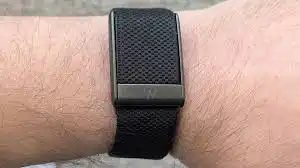
WHOOP and Oura Ring have similar functions, detecting body data throughout the day, but what sets it apart is a screenless black wristband. WHOOP 5.0 is the latest generation in 2025, priced at $199/year, including hardware, with a premium version called MG that adds ECG functionality.
One of the most well-known users of WHOOP in the financial world is JPMorgan CEO Jamie Dimon, who has been spotted wearing WHOOP on multiple public occasions.
WHOOP was founded at Harvard in 2012, with its founder, Will Ahmed, being the former captain of the Harvard men's squash team. He suffered from overtraining syndrome, where despite training daily, his performance declined. After reading 500 medical papers and writing an undergraduate thesis, he concluded that "what determines an athlete's performance is not the amount of training but the quality of recovery." Together with his math and computer science genius classmate John Capodilupo, they turned the thesis into hardware. Initially, they mainly sold to professional sports teams and US special forces. In 2025, subscription revenue more than doubled to over $1 billion, with a $575 million funding round, valuing the company at $10.1 billion.
According to our observations at Deloitte, individuals in the crypto space who wear WHOOP are generally slightly older than the audience for Oura Ring.
LINDBERG
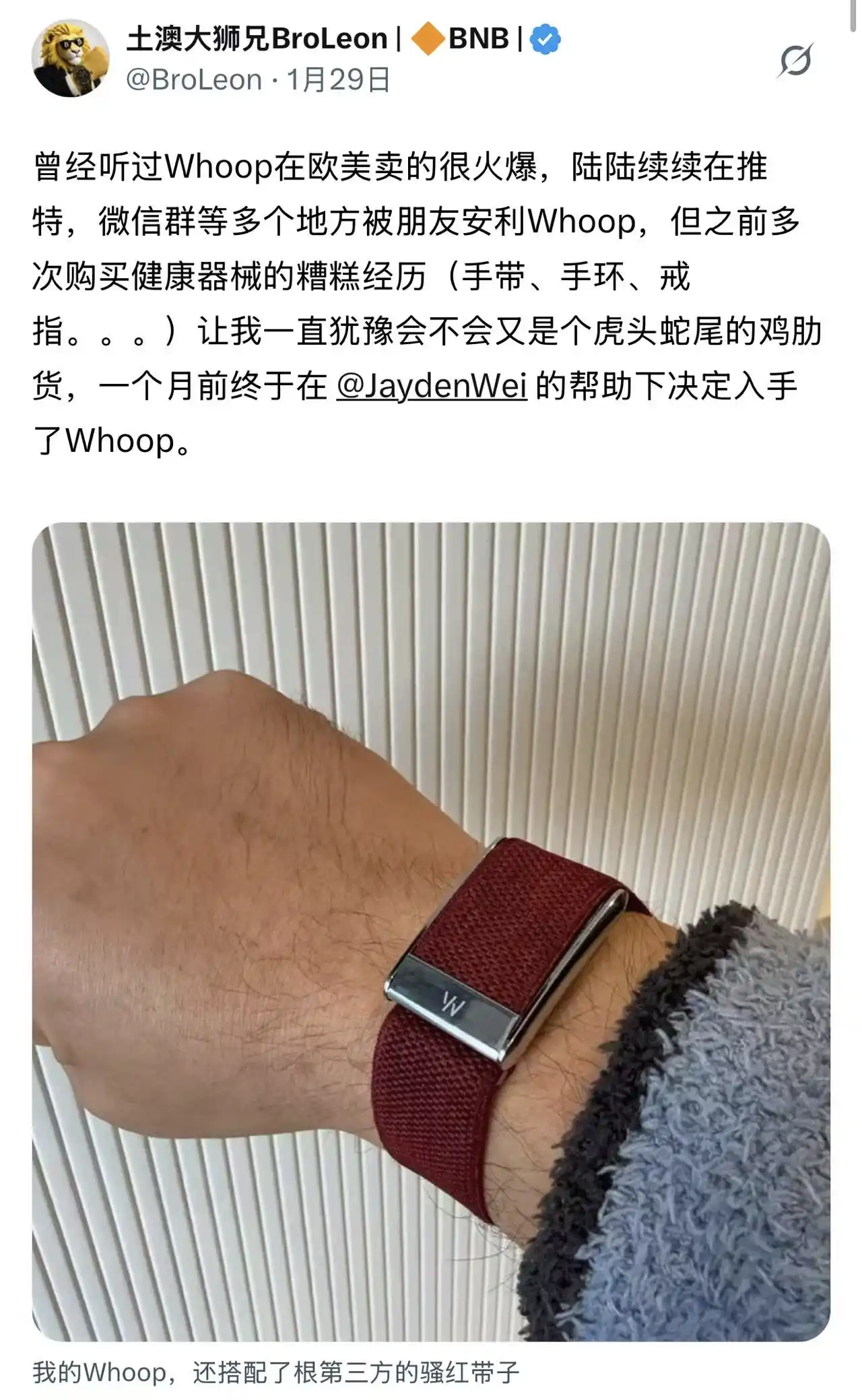
The "screwless design" has become synonymous with modern high-end eyewear, and while Lindberg's brand identity focuses on comfort and understatement, those knowledgeable can still easily recognize its value through its patented screwless hinge design.
The entire frame has no screws, no welding, no rivets, all bent from titanium wire; the lightest style weighs only 1.9 grams, paired with high-end custom lenses from Zeiss, Nikon and similar brands, a pair of LINDBERG glasses costs around $1000.
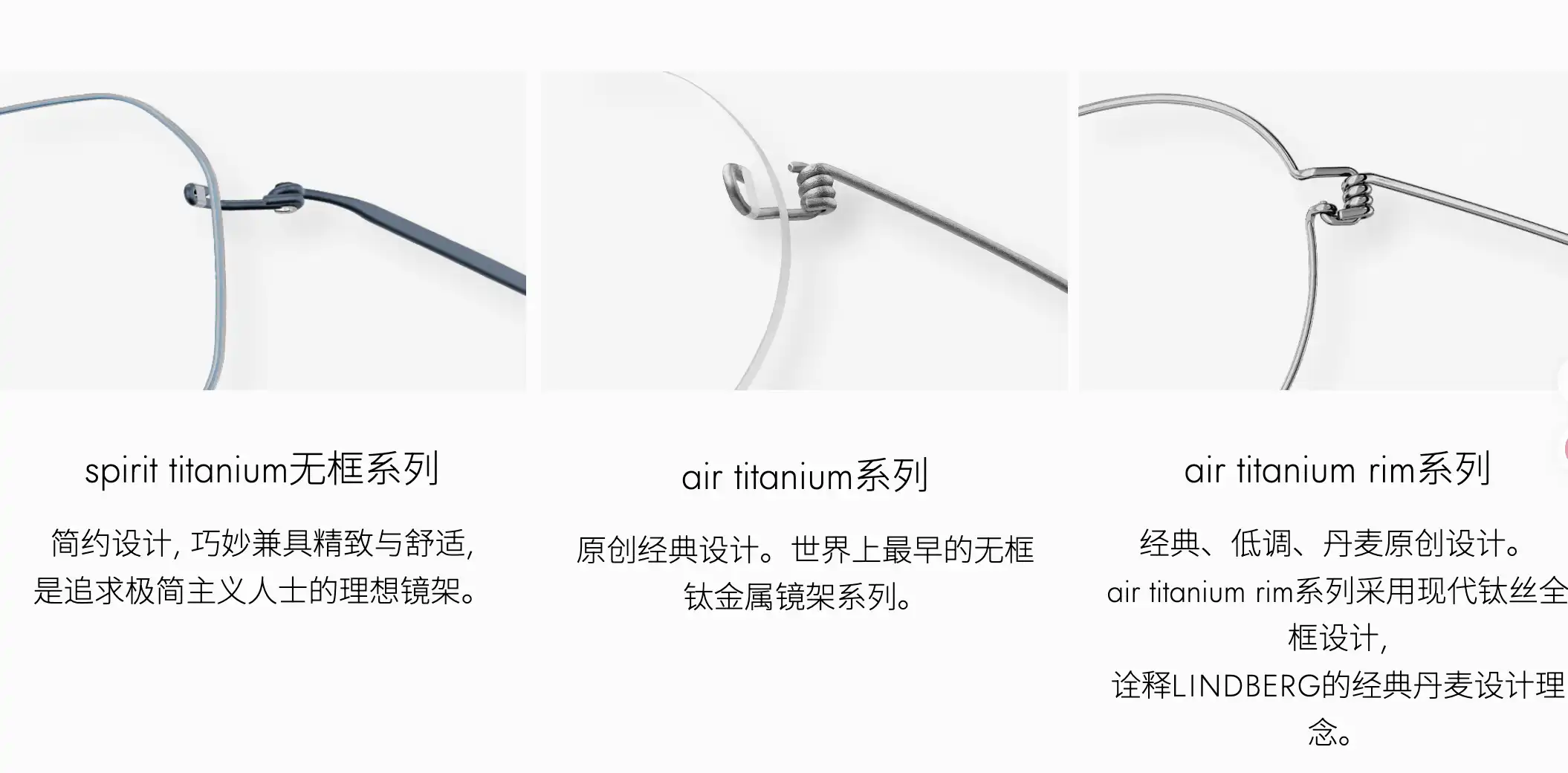
The founding story of LINDBERG is quite engineering-oriented. In 1986, a Danish optometrist named Lindberg wanted to wear a lighter pair of glasses but couldn't find any in Europe, so he decided to make one with an architect friend. The first batch they made used aerospace-grade titanium, purchased from an American company that supplies Boeing, thus originating the Lindberg Air Titanium classic series. In 2021, LINDBERG was acquired by Gucci's parent company, Kering Group, but their product line remained unchanged.
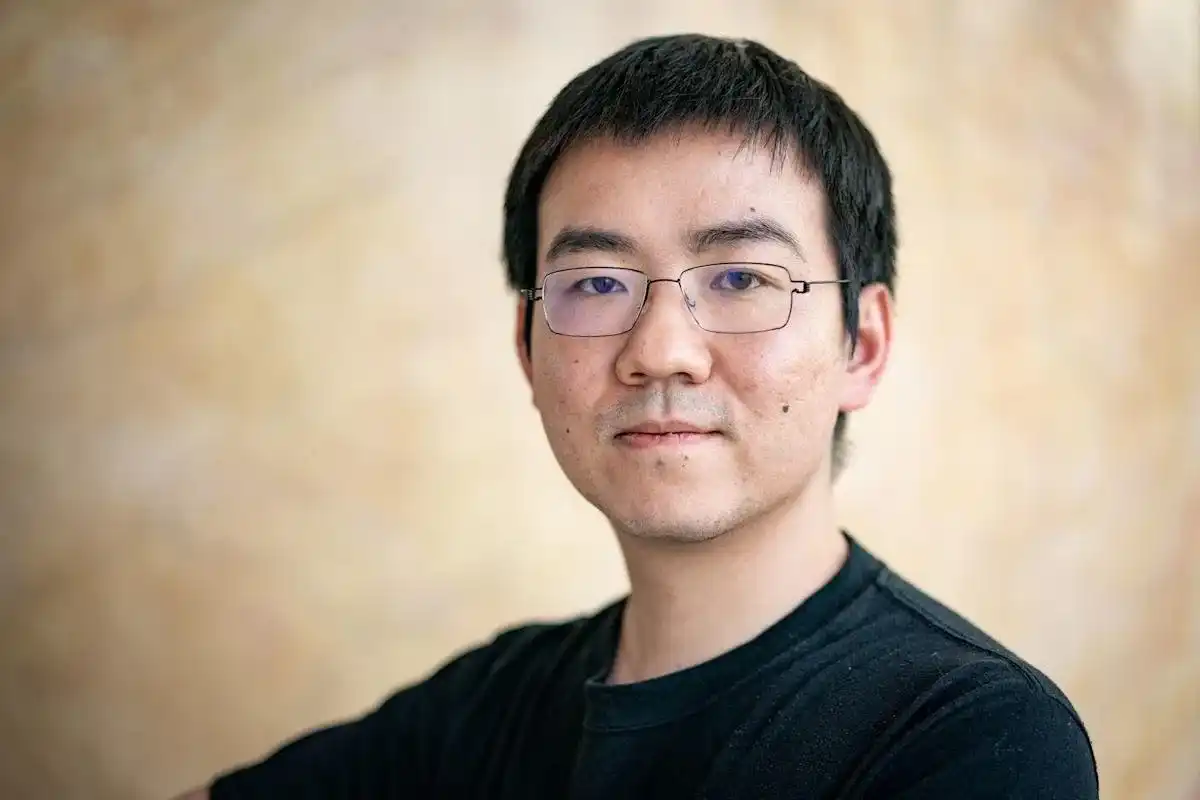
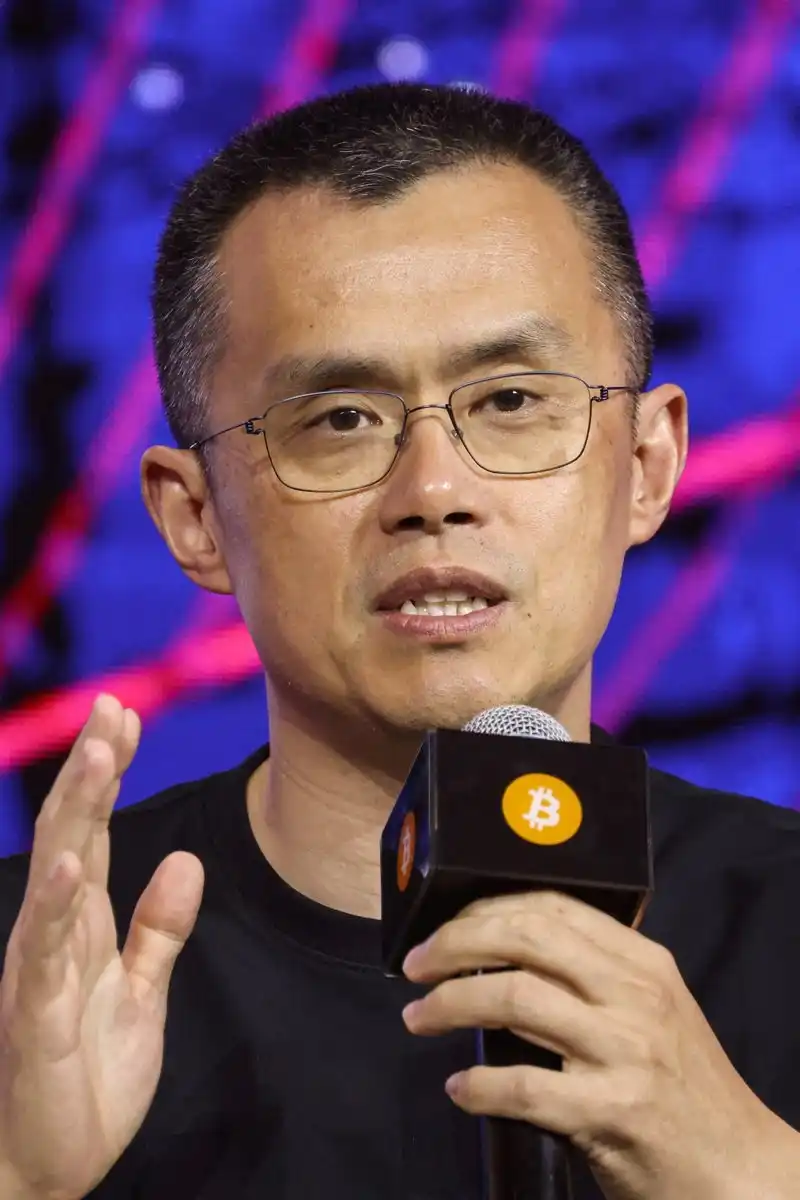
In the crypto community, LINDBERG's most iconic wearers are Bitmain co-founder Micree Zhan and Binance founder CZ, both wearing the same model of glasses.
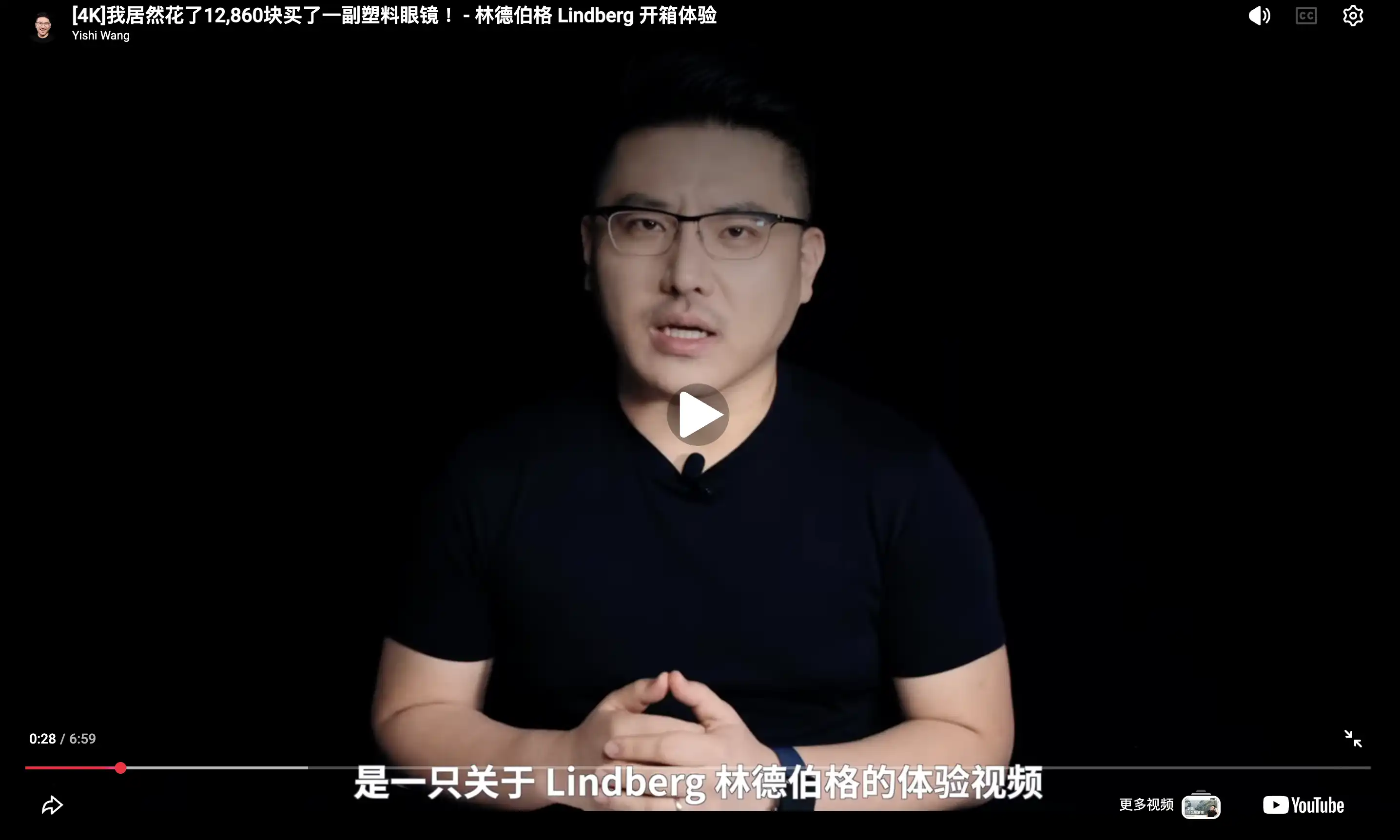
In addition, BlockBeats also discovered that OneKey founder Warren Wang had once filmed an unboxing video of LINDBERG glasses in 2020, introducing his comfortable lens fitting process.
The aesthetic of "recognizable but not ostentatious" aligns well with LINDBERG, making it very appealing to some East Asian crypto OGs who have a unique aesthetic outside the traditional Wall Street quiet luxury.
Outside the circle, LINDBERG is worn by Queen Elizabeth II of the United Kingdom, the Queen of Denmark, the Pope, Bill Gates, Robert De Niro, Brad Pitt, Daniel Day-Lewis, and Cate Blanchett.
Eight Sleep Pod Mattress
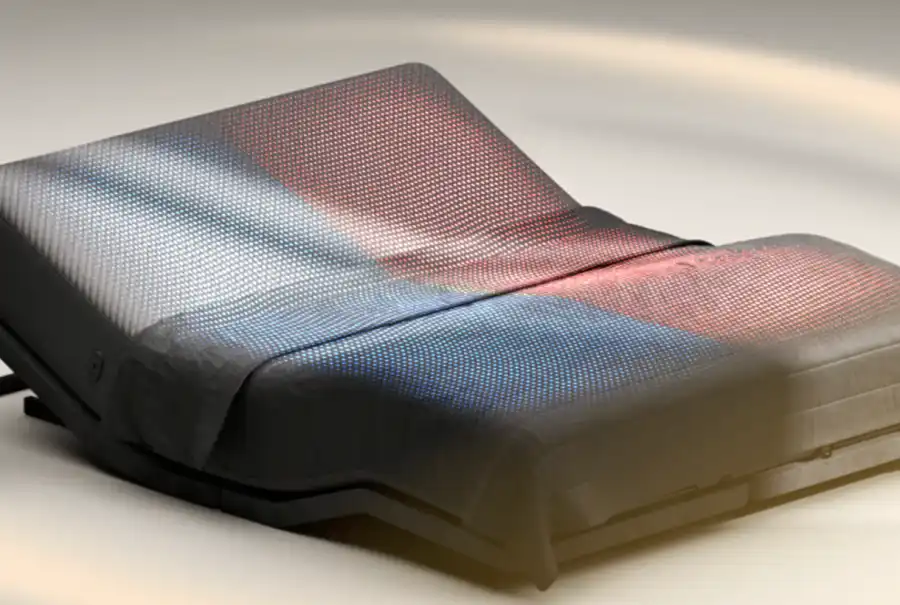
Eight Sleep is a smart mattress cover that can regulate temperature. It works by circulating water to cool or heat the mattress, with each side adjustable separately. The app tracks your HRV, heart rate, respiratory rate, and snoring duration. The Pod Pro is the latest generation, starting at $2,500 plus a monthly subscription.
Both Mark Zuckerberg and Bryan Johnson use it.
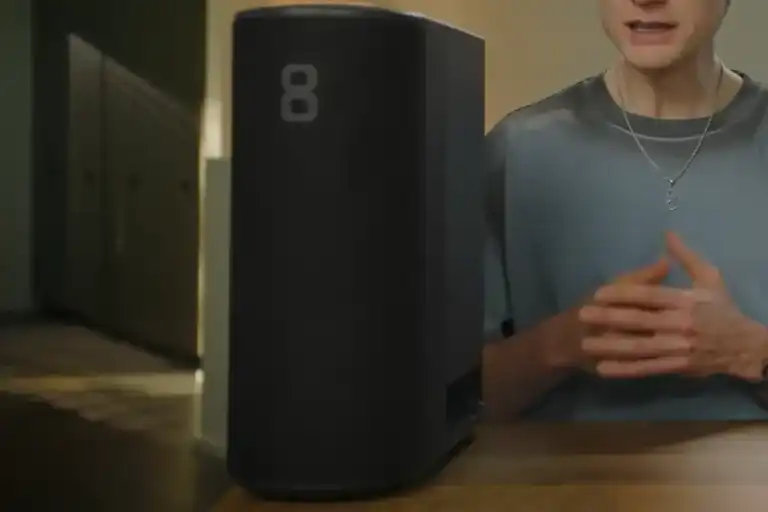
In March 2026, Tether invested $50 million in Eight Sleep at a $1.5 billion valuation. Naval is not only one of the most important spiritual shareholders in the Bitcoin community but also an early angel investor in Eight Sleep.
The deepest connection between the crypto community and Eight Sleep is Anthony Pompliano, known as Pomp. His podcast features Eight Sleep ads in every episode. When Pomp founded the crypto talent company, Inflection Points, in 2022, Eight Sleep CEO Matteo Franceschetti was an angel investor. In 2025, when Pomp founded the $1 billion ProCap Financial Bitcoin Treasury company, Matteo was also involved. In an interview on Avalanche's Proof of Thought in 2025, Pomp was asked about the "most important health habits for the next 10 years," and he promptly answered, "Sleep on an Eight Sleep Mattress."
Moreover, the Crypto Whiz shared the Eight Sleep Pod Mattress in his list of recommended products for 2023 on Twitter.
Due to the high volatility in the industry, the sleep quality of people in the crypto community has never been good, mostly experiencing fragmented sleep. Therefore, the Eight Sleep Pod Mattress has gained quite a following in the crypto community, especially among some traders with reversed day-night cycles.
Sauna and Ice Bath
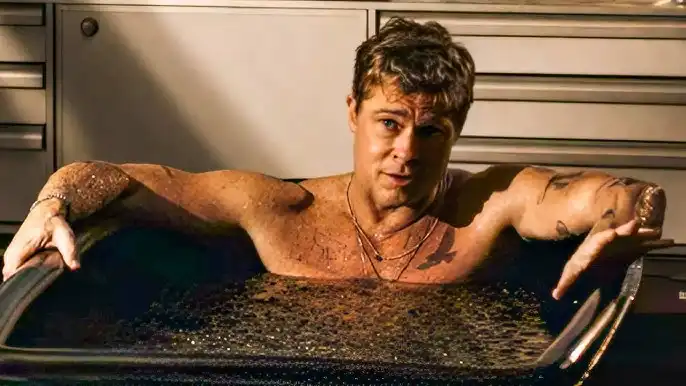
Sauna and Ice Bath first gained popularity among the "Silicon Valley Longevity Group" bordering on crypto, including personalities like a16z and Naval, subsequently influencing many Western crypto professionals. Currently, Ice Bath culture is mainly popular in countries and regions such as Europe, the United States, Chiang Mai, Bali, Hong Kong, and Taiwan.
Jumping into 36°F (about 2°C) water every morning, combined with the Wim Hof breathing method, Joe Rogan almost single-handedly propelled ice baths from a niche biohacker circle to mainstream America. Andrew Huberman, a Stanford neuroscientist, has practically written the textbook on ice baths with his "11 minutes of cold exposure per week" protocol. Bryan Johnson also includes ice baths in his "Don't Die" schedule.
These three individuals are not part of the crypto community, yet their podcasts and papers are widely listened to by crypto enthusiasts.
The most direct link between the crypto world and ice baths is Jack Dorsey, the Twitter founder, Block (formerly Square) CEO, and one of Bitcoin's most prominent advocates. He has publicly shared his hot-cold alternating routine: spending 15 minutes in a high-temperature sauna, followed by a 3-minute soak in about 2°C ice water, repeating this process 3 times, and ending with an extra 1-minute soak in the ice water.
For Jack Dorsey, this practice is not just about physical recovery but also a mental exercise. In the extremely uncomfortable ice bath environment, controlling his breathing to overcome the body's "fight or flight" response helps him increase his focus and resilience throughout the day. The logic behind this training is aligned with his life rhythm of managing Twitter, Square, and advocating for Bitcoin simultaneously: maintaining composure under extreme pressure is the fundamental ability behind all his business decisions.
The synergistic effect of Sauna and Ice Bath is the core mechanism behind this "hot-cold therapy" trend. The high temperature causes blood vessels to dilate, promoting blood circulation, while extreme cold causes rapid vasoconstriction. This alternating process is like exercising for the blood vessels, speeding up metabolism and lactic acid drainage. Additionally, the ice bath strongly stimulates the nervous system, triggering a significant release of endorphins and dopamine, greatly boosting mood and pleasure. Most importantly, the mental training aspect, maintaining composure in the extreme environments of ice and heat, trains the brain to think clearly and make decisions under pressure. For someone constantly facing intense market fluctuations in the crypto world, the transferable value of this training is highly direct.
However, it is important to note that hot and cold therapy puts a significant strain on the body and is not suitable for everyone. Beginners are advised to start with milder temperatures (around 15°C for cold water, not below 10°C), with immersion times ranging from 30 seconds to 2 minutes. It is crucial not to push your limits from the beginning, and ensure there is someone else present to handle any sudden "cold shock response."
Hokkaido Niseko Skiing
The Niseko powder snow from December to March is globally recognized as the best skiing snow quality, where the Siberian cold wind crosses the Sea of Japan and settles into an extremely dry, fine powder. Park Hyatt Niseko Hanazono and Ritz-Carlton Reserve offer top-tier accommodations, starting at ¥10,000 per night. Izakayas in Hirafu town start at ¥20,000 per person, and private ski instructors charge between ¥50,000 to ¥80,000 per day.
Why Hokkaido and not the Alps? Because Niseko is the "most jet-lag-friendly luxury skiing destination" for Asia's crypto OGs. A flight from Hong Kong, Singapore, or Shanghai only takes a few hours, and after skiing, you can still catch up on the market opening, events in Dubai, or conferences in London, all within a reasonable time difference. In January or February each year, while chatting on the gondola in Hirafu town, you might find yourself next to a core team member of a certain exchange platform or a second-generation member of a family office.
Notable figures from the crypto community who love to ski in Hokkaido Niseko include: Arthur Hayes, Multicoin Co-Founder Kyle Samani, and Binance Founder CZ.


Padel Tennis
Padel is a racquet sport that combines elements of tennis and squash, with a lower learning curve than tennis, higher intensity than pickleball, and a 4-player small court that encourages social interaction. In January 2026, Rolex signed a sponsorship deal with the world's top padel player, Arturo Coello. A luxury brand that traditionally focused on golf and tennis entering the padel scene signifies the "gentrification" of padel.
A game of padel takes 60-90 minutes to complete, making it more suitable for "time-poor but social-needy" finance/crypto elites compared to the 4-5 hours of golf.
Many believed that padel only became popular on Wall Street in 2024, but the SBF circle was already playing it in 2022. For example, an August 2023 Bloomberg article titled "Bahamas Photos Show Sam Bankman-Fried in FTX's Final Months" directly stated, "SBF and employees played speed chess and engaged in a sport called padel, a hybrid of tennis and squash." When SBF and FTX employees resided in a $30 million penthouse at the Albany resort in the Bahamas, there were six standard competition-level padel courts with court lights outside the apartment building.
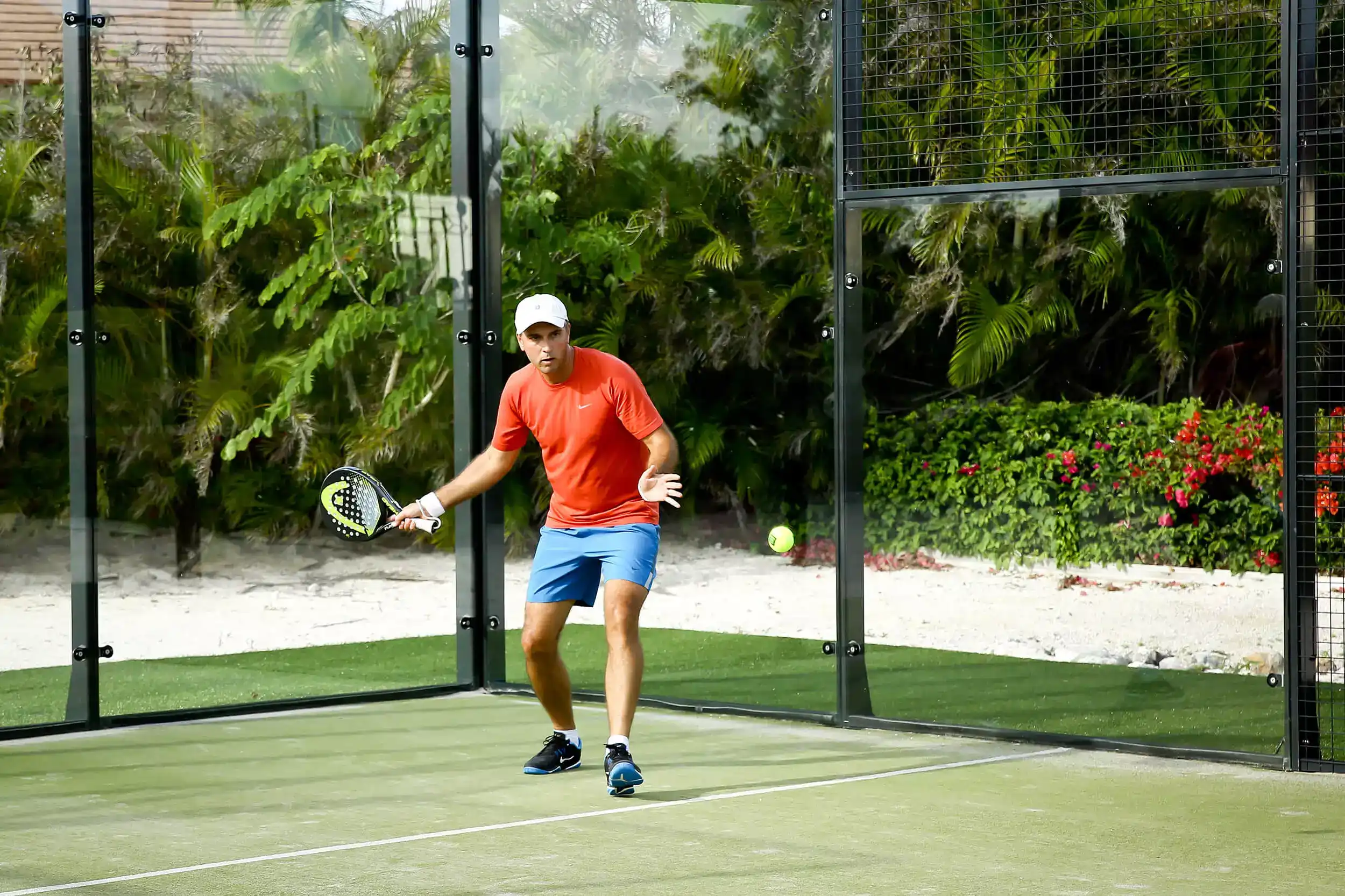
In an October 2023 CNBC article covering the FTX trial, a more dramatic detail was revealed: FTX engineer Adam Yedidia discovered an $8 billion Alameda debt while fixing code bugs in the summer of 2022, and he discussed this matter with SBF in the gazebo next to the padel court.
Peptides
Peptides are small molecular compounds composed of amino acids, bridging the gap between proteins and individual amino acids.
Semaglutide was originally developed by Danish pharmaceutical company Novo Nordisk to treat type 2 diabetes by mimicking the human gut hormone GLP-1, making you "feel full with less." In 2017, it was FDA-approved under the name Ozempic. However, doctors soon discovered a side effect—significant weight loss in diabetic patients. Novo Nordisk opportunistically adjusted the dosage and packaging, obtained a weight loss indication under the name Wegovy in 2021, and ignited a global weight loss revolution. Public figures such as Elon Musk, Oprah Winfrey, and Kim Kardashian have openly admitted to using Ozempic for weight loss, while half of Hollywood is quietly following suit. Eli Lilly later introduced the more potent tirzepatide under the name Mounjaro, which has a stronger weight loss effect than Ozempic. These drugs are collectively referred to as GLP-1 agonists.
An overseas private clinic, a compounding pharmacy-prepared gray market version is also widely circulated—around 1.5 million people in the U.S. were using the "compounded version" of GLP-1 by early 2026, forming a gray market that has been engaged in a long-term game with FDA regulation.
GLP-1 is also very popular in the crypto world, but it falls under the category of an "open secret." Many crypto founders use it, but few admit to it in public. The reason is that GLP-1 comes with a context of "I admit that I used to be fat," and in the image construction of the crypto community, admitting to being overweight is more difficult to acknowledge than admitting to drug use.
Welcome to join the official BlockBeats community:
Telegram Subscription Group: https://t.me/theblockbeats
Telegram Discussion Group: https://t.me/BlockBeats_App
Official Twitter Account: https://twitter.com/BlockBeatsAsia
