Nvidia has just unveiled its new pie - a "home AI that is always online."
This statement was made by Jensen Huang. (For more details on the conference, please follow "Real-time Updates | Key Information Summary of Nvidia GTC Conference")
On June 1st in Taipei, he stood next to a new chip called RTX Spark, lifting the PC to a height similar to that of a smartphone, or even higher.
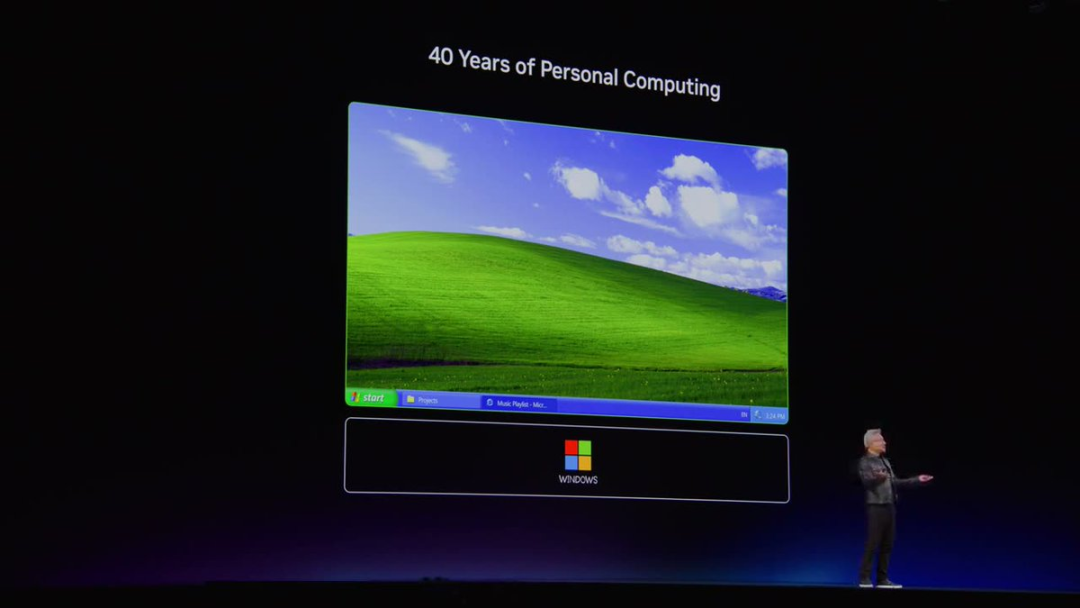
For the past thirty years, Nvidia has been selling you that graphics card - you plug it into a computer made by someone else. This time, it's the other way around as it aims to sell you the entire computer itself.
What's even more unusual is that Jensen Huang is not alone. Acer, Asus, Dell, Gigabyte, HP, Lenovo, Microsoft, MSI - eight companies that usually compete fiercely on the shelves, all stand united behind the same chip. A company with a market cap so high that it doesn't even need to make laptops decided to develop a laptop chip, dragging half of the PC industry into the mix.
The chip, with a development-stage codename of N1/N1X, was leaked more than half a year ago. But bigger than a single chip is the ambition displayed by Jensen Huang - what he wants to reinvent is the "personal computer" itself.
01 From "Accessory" to that "Brain"
For a long time, the "brain" of a PC was an Intel or AMD CPU. Nvidia was the muscle - you'd twist it onto the motherboard for gaming or rendering. It was powerful, but it was always the one that was plugged in.
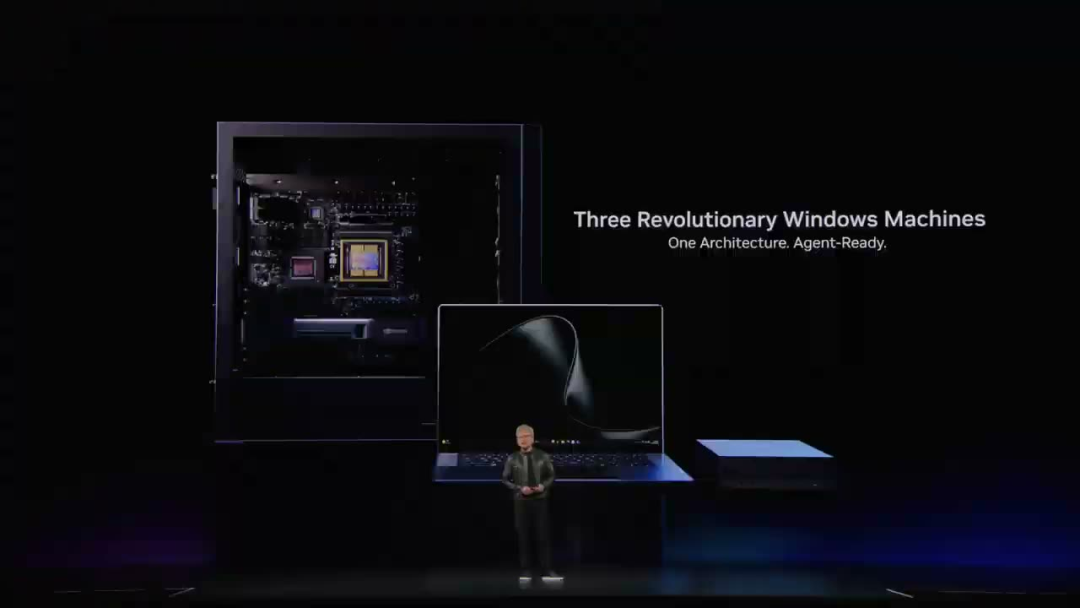
RTX Spark is different. It's a complete SoC, with the CPU, GPU, and memory soldered together, around which a Windows laptop will be built.
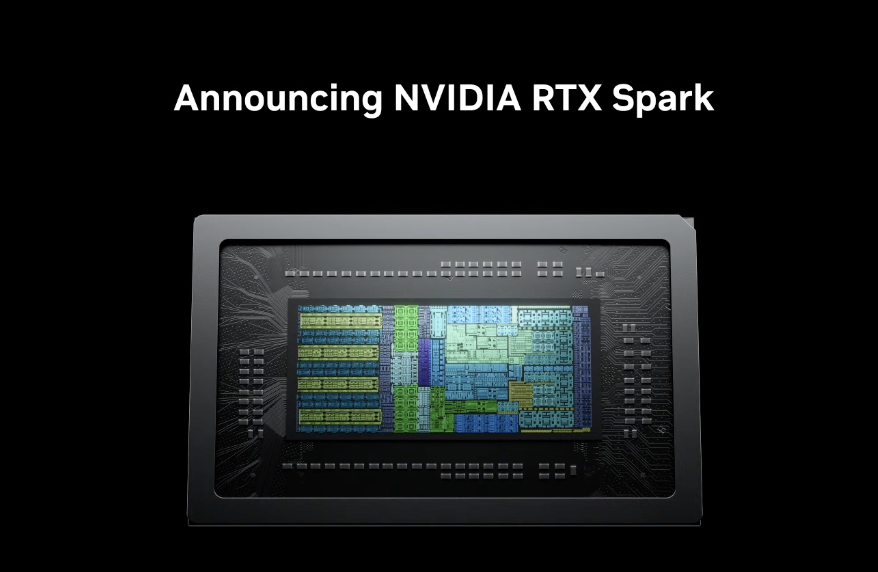
This time, what NVIDIA is aiming for is not stronger muscles, but the brain of the entire computer.
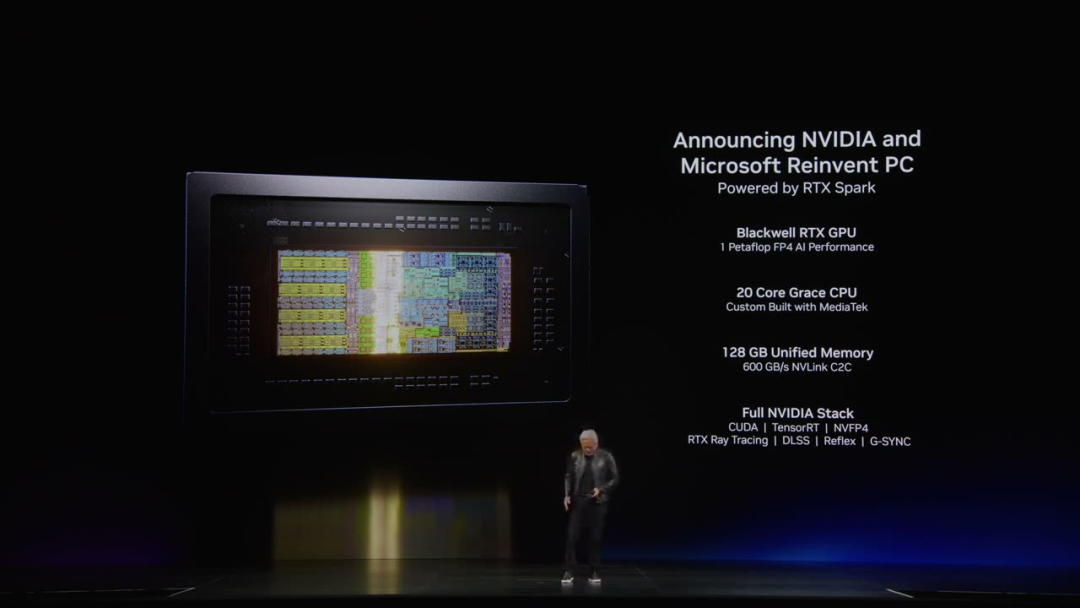
It does not have x86 licensing, as that path was not feasible to begin with. So NVIDIA turned to the Arm side—featuring a 20-core Grace CPU developed in partnership with MediaTek, stitched with its own Blackwell GPU. This is the first time it has put its own name at the core of a mainstream Windows laptop, instead of just sticking a discrete GPU label in a corner of the chassis.
The significance of this event lies in the fact that laptops represent a market with an annual shipment volume of around 150 million units. A company that secured the top spot in global market capitalization through data center GPUs did not just casually step in to dip its toes into a side business. What it wants is the brain itself.
As for why now—local AI has increased its demand for computing power and memory, and Microsoft has opened the doors of the Windows on Arm Copilot+ ecosystem to new players like NVIDIA and MediaTek. The door was open, so NVIDIA walked in.
02 Fitting a Petaflop into a Laptop
The specifications of the RTX Spark are impressive—a 20-core Grace CPU, a Blackwell GPU with 6144 CUDA cores (performance roughly equivalent to a desktop RTX 5070), up to 128GB of unified memory, 700 billion transistors, TSMC 3nm—but these numbers don't mean much individually.
What truly caught my attention during the live broadcast was seeing two other terms appear simultaneously on a "laptop".
A petaflop (equivalent to 1000 TFLOPS) of AI performance, and 128GB of unified memory—these two things did not belong to laptops in the past; they belonged to workstations, or even data centers.
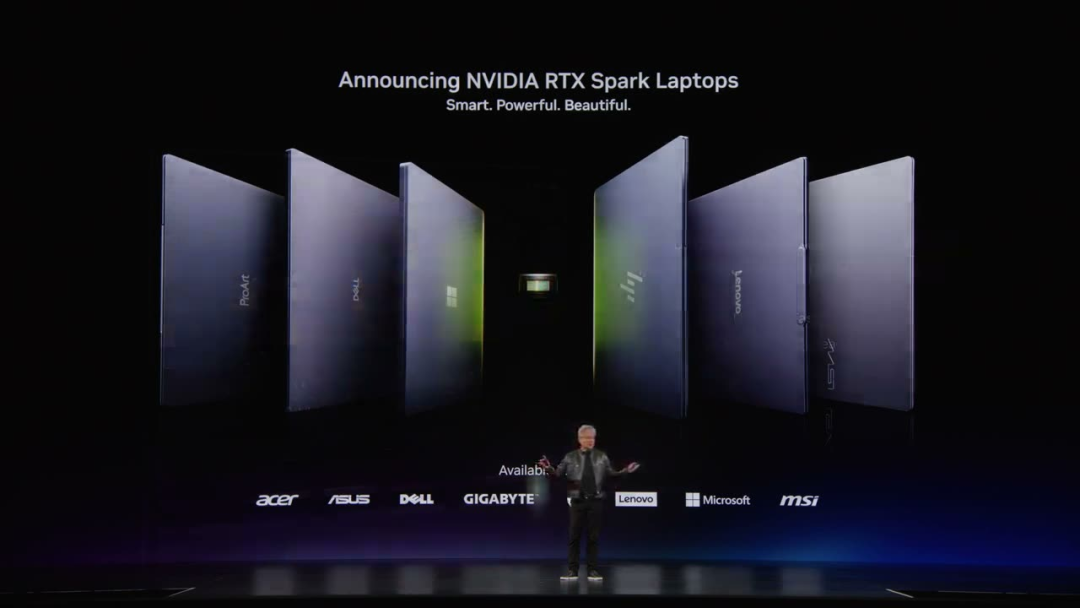
NVIDIA's official usage guide is very straightforward: edit local 12K videos, render large 3D scenes, run large AI agents locally. In other words, tasks that previously had to be offloaded to the cloud or required lugging around a hot and heavy gaming laptop can now theoretically be packed into a portable machine.
And the most crucial and difficult for competitors to replicate is CUDA.
Those involved in AI development understand this significance. Over the years, almost all training and inference frameworks were first written for CUDA before considering anything else. For someone who wants to seriously run models locally, there were only a few options in the past: carry around a loud gaming laptop, buy a Mac that relies on large unified memory, or straightforwardly use cloud GPU. Each option had its drawbacks.
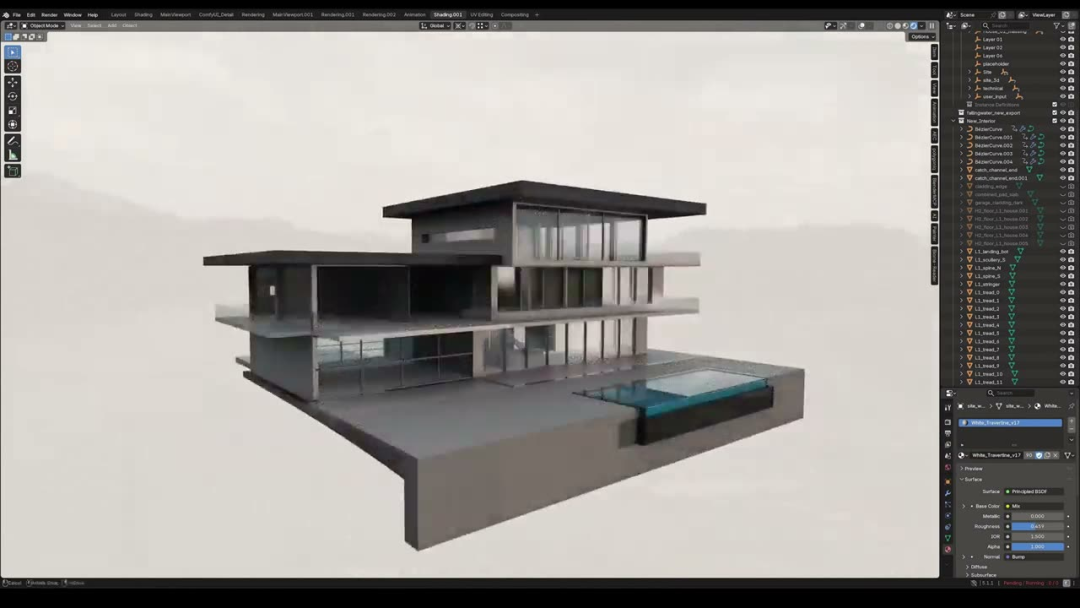
What RTX Spark has done is to pack CUDA and features like 128GB of unified memory into a thin and light machine For those who need to run large models locally, this is the first viable option on the desk besides a Mac—and it is even more appealing in terms of memory and the CUDA ecosystem.
I have to be honest and say that this set of features is not for everyone. For someone who only uses a computer to browse the internet, write documents, and attend meetings, the significance of a petaflop and 128GB is likely lost—just like most people don't need a workstation that can render movies.
But for developers, content creators, and those who have already made local large models a production tool, this is the most on-point piece of silicon in recent years.
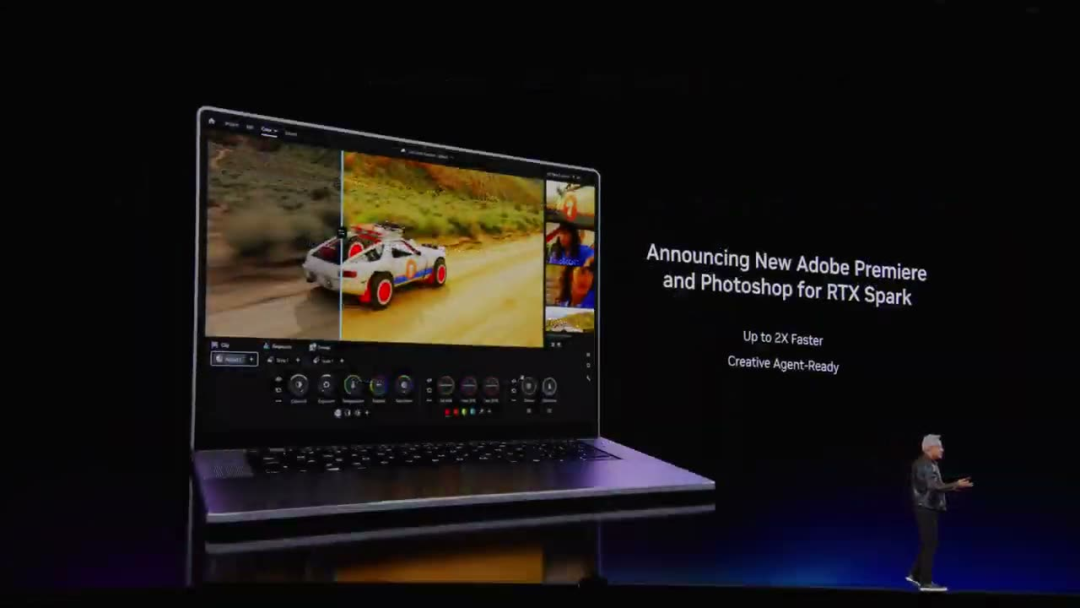
NVIDIA's price for the RTX Spark has not been announced yet. The manufacturers who have announced that they will integrate the RTX Spark into their laptops have also not revealed the pricing. But going by NVIDIA's usual pricing strategy, it's safe to assume that it won't come cheap.
03 NVIDIA's Ambition Goes Beyond Just a Chip
If you think this event was just about "NVIDIA releasing a laptop chip," then you are underestimating its ambition.
The RTX Spark is just the beginning. In the same keynote, NVIDIA also unveiled Claw — a home AI agent in a box that can run your agent 24/7, connect to your home devices, and act as a persistent personal assistant.
They also introduced the DGX Station designed for Windows: 768GB of memory, 20 petaflops, a developer supercomputer that sits on your desk and can run trillion-parameter models. This is coupled with the continuously evolving Nemotron model.
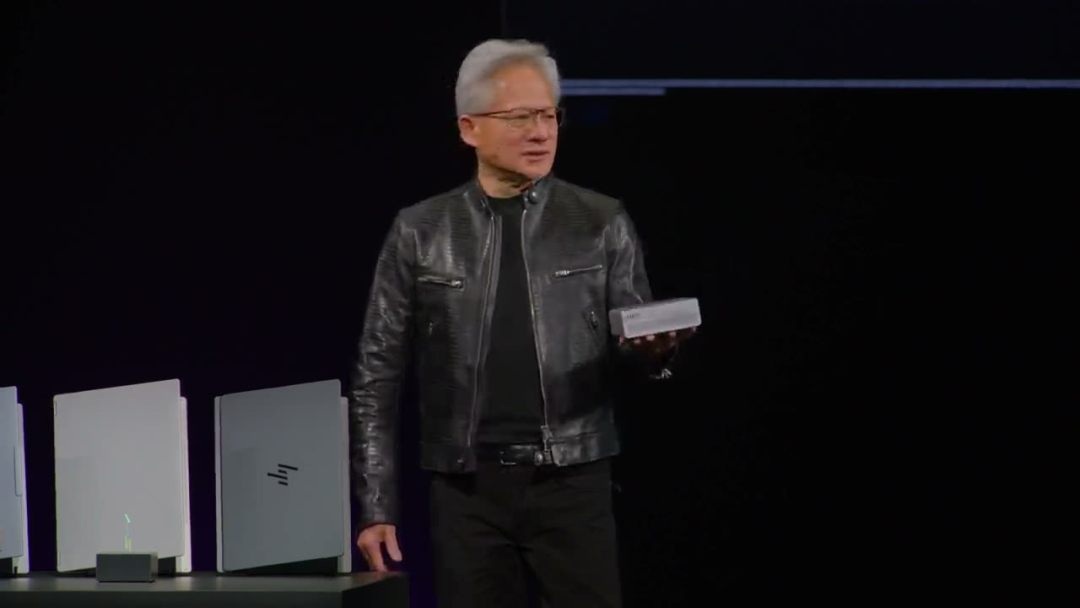
Starting from Huang Renxun's "better idea than a smartphone" statement, the end product is this ecosystem. In his vision of the future, a PC is no longer just a computer but will become an essential and always-on AI device in your home, serving various personal agents and assistants.
What NVIDIA envisions is not just a faster computer but a "home AI that is always online."
This journey is far from over. From the current Blackwell to the upcoming Rubin and then Feynman — NVIDIA has laid out its roadmap for desktops, laptops, and workstations all the way up to 2030. This is not a one-time deal but a multi-year product line to pursue.
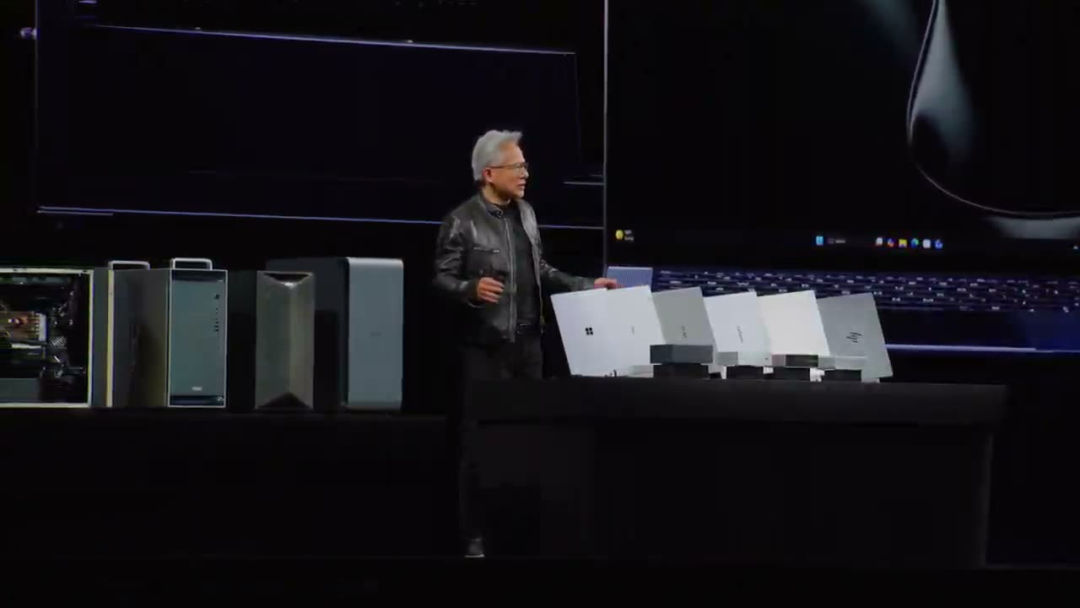
Looking back at the list of the eight manufacturers at the beginning clarifies the intention.
When Acer to Microsoft are willing to bet their flagship models, the entire industry concludes that local, always-on, agent-driven personal computing is the direction PCs are heading. NVIDIA didn't just release a chip; it, along with Microsoft and the entire OEM front, announced a direction and integrated silicon, models, and devices to drive it forward.
04 Next Up, Software Takes Center Stage
The most exciting part—the hardware—is already on the table. The chips are powerful, the vision is grand, and the industry has come together.
Now comes the part that is always slower than chip development.
To truly unleash the power of this silicon in daily software and workflows.
A laptop that can run large models needs something worthwhile to run locally; a "home AI" needs someone to handle those everyday tasks for it. This is not something NVIDIA alone can deliver at a single event; it takes time, it takes Microsoft, it takes countless developers to catch up.
There are specific short-term focuses to keep an eye on: RTX Spark will be launched in the fall, pricing has not been announced yet, and the complete models will have to wait for various manufacturers to unveil them one by one. The progress of Windows application adaptation is also critical. These factors will determine whether it ends up as a tool in the hands of a few or as the next computer for many.
In fact, RTX Spark and Claw are just one aspect of this event.
On the same day, NVIDIA also took two steps upstream with its AI ambitions:
First, it officially mass-produced Vera—a CPU designed specifically for AI entities. Officially claimed to be 1.8 times faster than x86, Vera has already included OpenAI, Anthropic, ByteDance, and the New York Stock Exchange platform in its customer list;
Second, it announced the open-sourcing of Nemotron 3 Ultra with 550 billion parameters, designed specifically for intelligent entities that need to run autonomously for extended periods. It is now running in systems at CrowdStrike and Palantir.
Your RTX Spark on your desk, Claw in your living room, Vera and Nemotron in the data center—putting these together makes it clear that NVIDIA's goal is not just a chip but an entire stack dedicated to intelligent entities, spanning from edge to cloud.
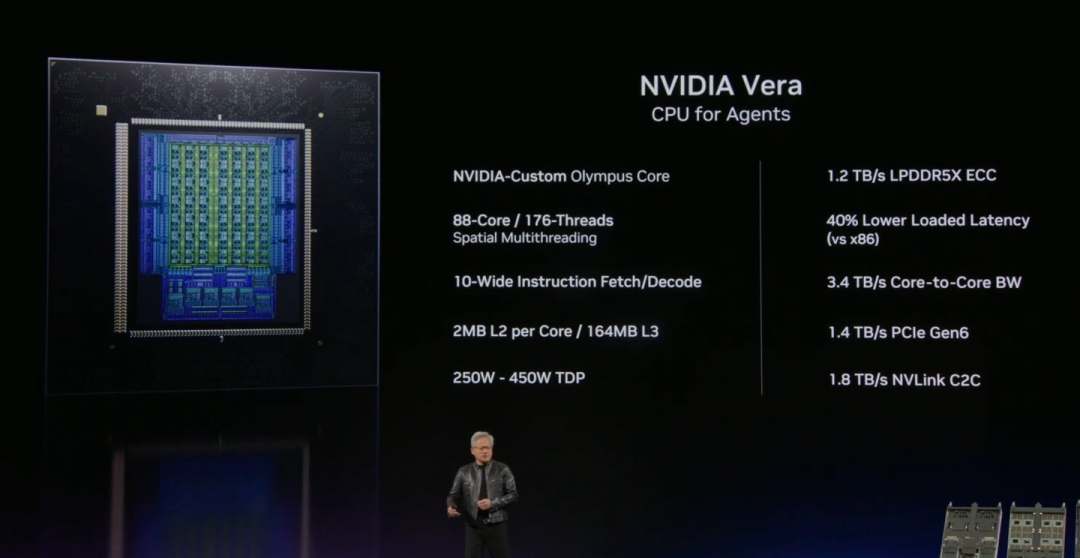
But within this entire stack, the real game-changer is that laptop.
For the first time in thirty years, NVIDIA is no longer just the card to be inserted into a computer, but the computer itself. Whether it can truly reinvent the "personal computer" will be answered this fall.
Welcome to join the official BlockBeats community:
Telegram Subscription Group: https://t.me/theblockbeats
Telegram Discussion Group: https://t.me/BlockBeats_App
Official Twitter Account: https://twitter.com/BlockBeatsAsia
