In 1998, attorneys general from 46 U.S. states sued the four major tobacco companies, ultimately settling for a staggering $206 billion.
That lawsuit not only forced tobacco companies to pay a huge settlement but also fundamentally changed an industry's operating rules—banning advertising to minors, prohibiting the use of cartoon characters to promote cigarettes, and mandating health warnings on product packaging. Subsequently, the smoking rate in the U.S. nearly halved.
28 years later, the same script, with a different cast.
On August 26, Meta reached a settlement with attorneys general from 52 U.S. states and territories, agreeing to pay up to approximately $18 billion and implement a series of mandatory product changes for Instagram and Facebook.
This marks one of the largest civil settlements against a tech company in history, and the first time in the social media industry that a company has been forced to make fundamental changes to its products due to "child addiction."
01 Meta Surrenders Early
The timing of this settlement is quite intriguing; just a day before the settlement was announced, Instagram's head Adam Mosseri was testifying in a court in Oakland, California, and Meta CEO Mark Zuckerberg was also expected to testify in the following days.
This federal lawsuit, led by California, Colorado, New Jersey, and Kentucky, with 29 states jointly filing, only began on August 18.
The plaintiffs were seeking a staggering $1.4 trillion in damages, alleging that Meta intentionally designed features such as endless scroll feeds, algorithmic recommendations, and high-frequency push notifications to addict teenagers. They also accused Meta of knowingly concealing the platform's harm to minors' mental health and illegally collecting personal data of children under 13 in violation of the Children's Online Privacy Protection Act (COPPA).
Meta's decision to settle on the 8th day of the trial indicates its clear understanding of the disastrous consequences a jury ruling could bring.
In fact, earlier judgments this year had already sent a clear message. In March, a New Mexico jury found Meta in violation of the state's Unfair Practices Act, imposing a $375 million fine. On August 6, the same case's judge further ruled that Meta had created "public nuisance," adding $567 million in damages and requiring the implementation of youth protection measures. Similarly, in March, a Los Angeles jury in a lawsuit brought by an individual plaintiff held Meta and Google responsible for a girl's depression and anxiety, awarding a total of $6 million in compensation.
One unfavorable ruling after another has made Meta realize that the risk of continuing to fight is far greater than settling.
As for the $18 billion settlement amount, the payment structure is quite complex, leading to slightly different figures in various media reports.
Overall, Meta will pay a maximum of around $18 billion in installments over the next 10 years.
Of this amount, the "Participating States" will receive around $12.7 billion, accounting for 70% of the total, to be used for youth online safety programs, crisis intervention services, after-school activities, and mental health programs. California alone is expected to receive between $1.5 billion and $2.1 billion. In addition, the settlement also resolves privacy lawsuits brought by California, Illinois, New Mexico, and the District of Columbia regarding the Cambridge Analytica scandal, involving approximately $459 million.
While $18 billion is a substantial sum, it is not fatal considering Meta's scale. Meta's full-year revenue exceeded $200 billion in 2025, and its second-quarter revenue this year reached $60.8 billion. Meta has stated that it will accrue approximately $10 billion in legal expenses in the third quarter of 2026, with the remaining amount spread over the following 9 years.
Following the announcement of the settlement, Meta's stock price rose by approximately 4.4% in pre-market trading.
The market's response was straightforward—paying to settle, the shoe dropped, and it's positive news.
But what is truly worth paying attention to is not the money.
02 Clamping Down on Social Media
The most important part of the settlement agreement is a series of mandatory product changes. These are not feature updates voluntarily rolled out by Meta but rigid requirements included in legal documents, overseen by an independent auditor, and lasting 10 years.
Specifically, they include:
Time Limits. Users aged 13 to 17 on Facebook and Instagram will have their daily usage limited to 2 hours, with both apps combined. Only parents can adjust this limit. For every continuous 15 minutes of use, the system must display a prompt reminding the user to take a break.
Nighttime Lockdown. Minors will be unable to access the app between midnight and 6 a.m. by default. Only parents will have the ability to lift this restriction.
School Hours Quiet Mode. During school hours from 8 a.m. to 3 p.m., the system will restrict push notifications to minors.
Hidden Social Comparisons. Minors will not see like counts and other interaction metrics on posts by default. Extreme beauty filters will also be blocked.
Non-algorithmic Option. Teens will be able to choose a non-recommendation algorithm-driven feed as their default browsing experience.
Enhanced Age Verification. Meta must strengthen its technological means to detect minors who misrepresent their age, identify users under 18, and remove accounts of those under 13. Private accounts will be enabled by default, limiting suspicious adults' interactions with minors.
Swift Response. 90% of reports from teenage users must receive a response within 6 hours.
Independent Audit. An independent auditor will be appointed with extensive access to the Meta system to oversee compliance enforcement for at least 5 years.
When combined, these provisions mean that the most core growth engines of social products—algorithmic recommendations, infinite scroll, push alerts, and social comparisons—will be systematically dismantled or restricted when targeting minors.
03 A Must Invite the 「Backstoppers」
Meta's most cunning design in this settlement is hidden within the remaining 30% of the compensation.
The settlement agreement stipulates that Meta will first pay approximately $12.7 billion (70%) to the participating states. Whether the remaining approximately $5.3 billion (30%) is paid depends on one condition—whether YouTube and TikTok also agree to implement similar restrictive measures and each pay around $5 billion.
In other words, through a legal settlement agreement, Meta has roped in its competitors.
Because if only Meta limits teenagers' usage time, the outcome would simply be a shift of users to TikTok and YouTube. Meta's Chief Legal Officer, C.J. Mahoney, bluntly stated in a release, "Teens seamlessly switch between dozens of apps every day. Industry-wide solutions are needed to make real progress."
Even on the day of the settlement, Meta published an open letter directly calling on TikTok and YouTube to join this framework. The wording of the letter is quite interesting—it no longer sounds like a defendant defending itself but more like an industry rule-maker pressuring its peers.
If YouTube and TikTok refuse to follow suit, Meta saves $5.3 billion, while being able to point fingers at its competitors on the PR front for not wanting to protect children. If they comply, the entire industry will be restricted together, making the competitive environment at least fair. Either way, Meta doesn't lose.
More notably, just three days before Meta's settlement, TikTok and ByteDance had reached a $400 million settlement with the U.S. Department of Justice, resolving a child privacy lawsuit that began during the Biden administration.
$400 million and $18 billion—the difference is enough to illustrate that in the eyes of U.S. regulatory agencies, "addictive design" and "data violations" are issues of completely different magnitudes. And Meta's settlement terms are now pushing this higher standard onto the entire industry.
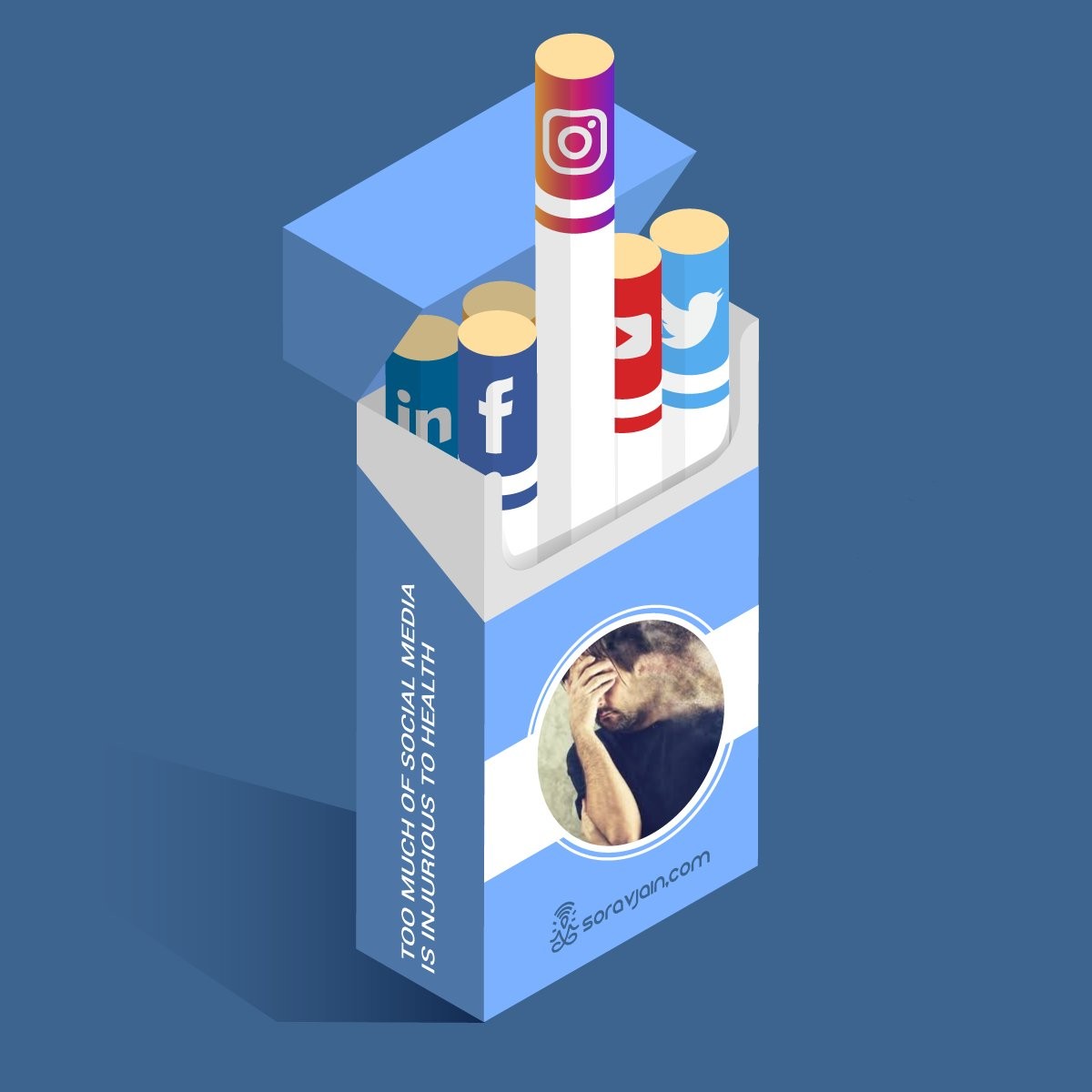
04 Social Media's "Tobacco Moment"
The tobacco settlement of 1998 amounted to $206 billion (approximately $410 billion in today's purchasing power), far exceeding Meta's $18 billion. But more importantly, that settlement changed an entire generation's relationship with tobacco—not because the fines bankrupted the tobacco companies (they are doing just fine), but because of the subsequent advertising bans, public smoking bans, and health warnings that fundamentally altered society's perception of smoking behavior.
Meta's settlement is now following the same path.
By likening social media's algorithm design to industrial pollution and information addiction to nicotine dependency, once this legal framework is accepted by the courts and legislators, the downstream effects are cascading.
The New Mexico state court has already classified Meta's conduct using the legal concept of "public nuisance," originally used to regulate factory emissions. When "algorithmic recommendations" and "industrial wastewater" are discussed within the same legal framework, the industry's legal risks are being repriced.
Currently, there are nearly 2,900 pending cases in the Northern District of California federal court's multidistrict litigation (MDL 3047), with defendants including not only Meta but also TikTok, Snap, and YouTube. The Indiana Attorney General has explicitly stated in a declaration that the next step will seek "similar protective measures" against Discord, Roblox, Snapchat, TikTok, and YouTube.
For Chinese companies expanding overseas, this signal couldn't be any clearer.
ByteDance's TikTok in the U.S. is already facing the same legal pressure as Meta, and the provision in the Meta settlement agreement that brought TikTok into the fold is more like a "name-and-shame notice." With 52 state attorneys general in the U.S. having reached a bipartisan consensus on "social media addiction in children," any social product operating in the U.S. cannot stay on the sidelines.
After 1998, no one dared to publicly claim "smoking is harmless to teenagers" anymore.
After 2026, it's unlikely that any social platform will dare to say "our algorithm will not addict children." The only difference is that it took tobacco companies decades to get to that point, while social media took less than ten years.
Years from now, people reminiscing about the present may jokingly say, "It was so crazy back then, they actually let kids use social media!" This absurd fact is probably another "detour" that humanity must take.
Welcome to join the official BlockBeats community:
Telegram Subscription Group: https://t.me/theblockbeats
Telegram Discussion Group: https://t.me/BlockBeats_App
Official Twitter Account: https://twitter.com/BlockBeatsAsia
